
COLMAR, FRANCE: THE FAIRYTALE TOWN THAT'S BEST IN SUMMER
Little Venice, the Alsace Wine Route, and the Villages Most Visitors Miss
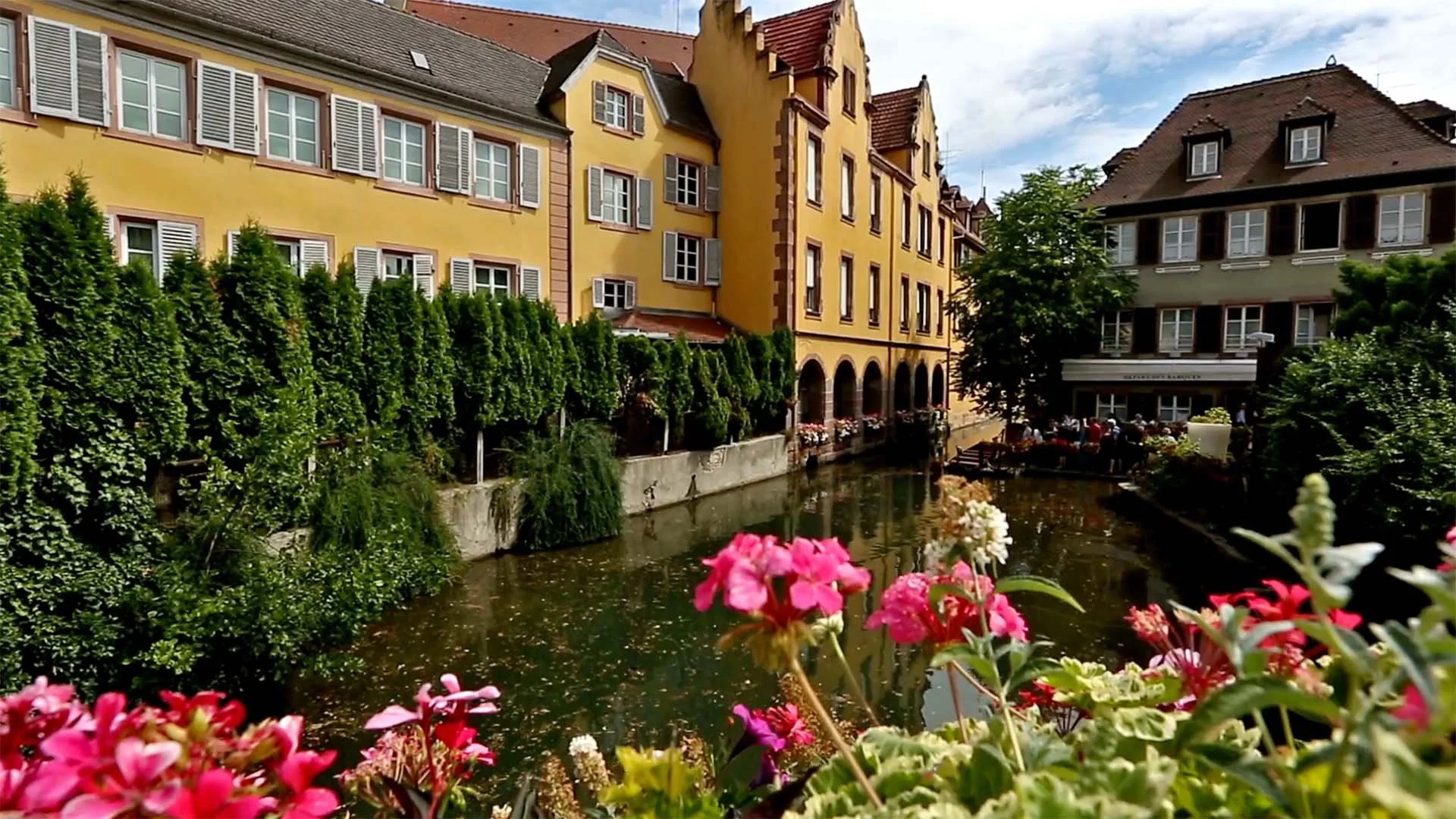
Colmar is a town in the Alsace region of north-eastern France, close to the German border, known for its half-timbered medieval houses, flower-lined canals and position at the heart of the Alsace Wine Route. Its old town is compact and almost entirely pedestrianised. Most people know it from Christmas market photographs — but summer, when the geraniums are out and the canals are green with reflected light, is arguably the better time to come.
I'm Tammie, and I've been travelling through Europe for more than 48 trips. Colmar is where we base for four nights on our summer tour, and I want to make the case for seeing it out of season — which, counterintuitively, means seeing it when it's warm.
What Is Special About Colmar?
Three things, really.
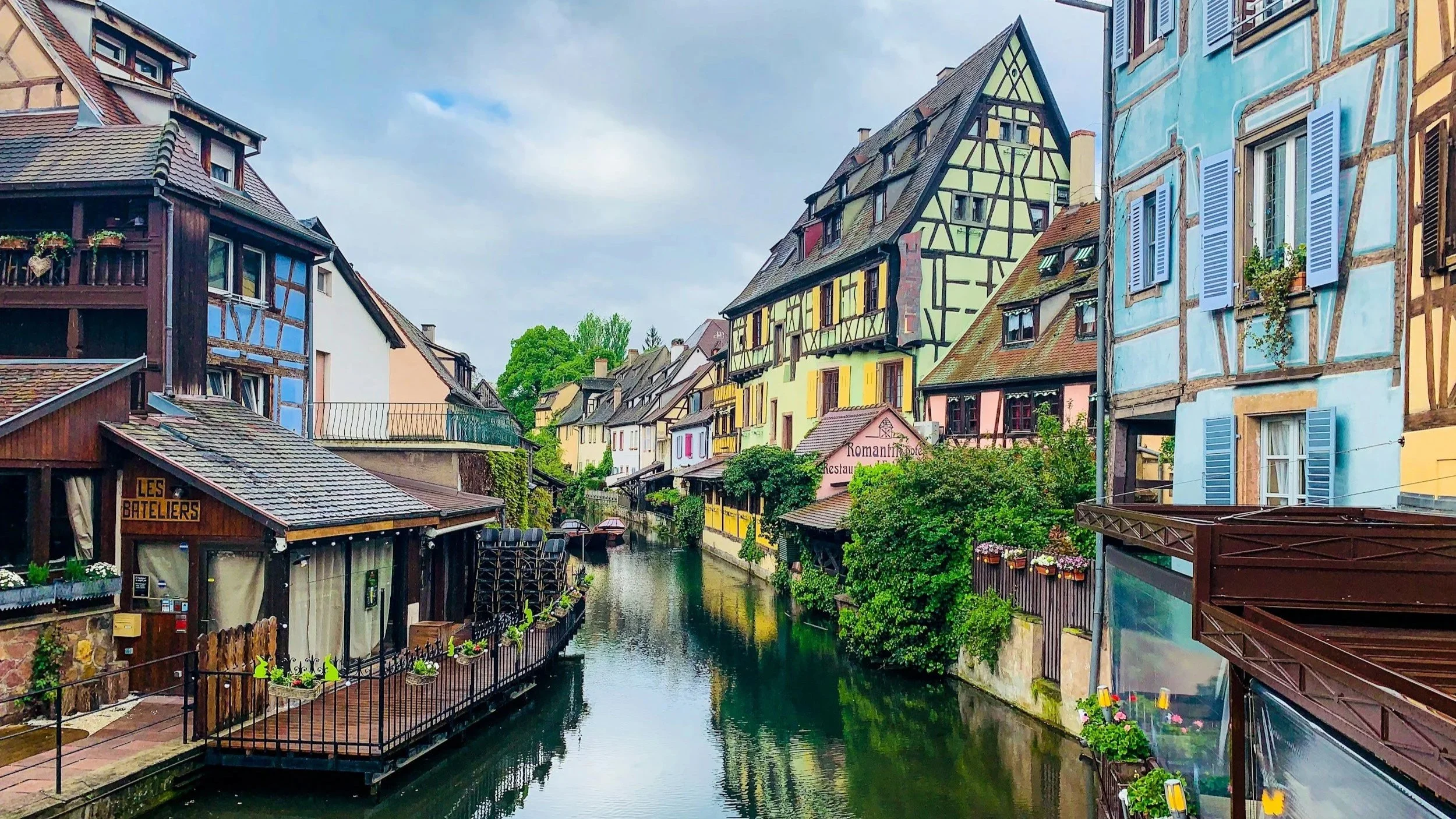
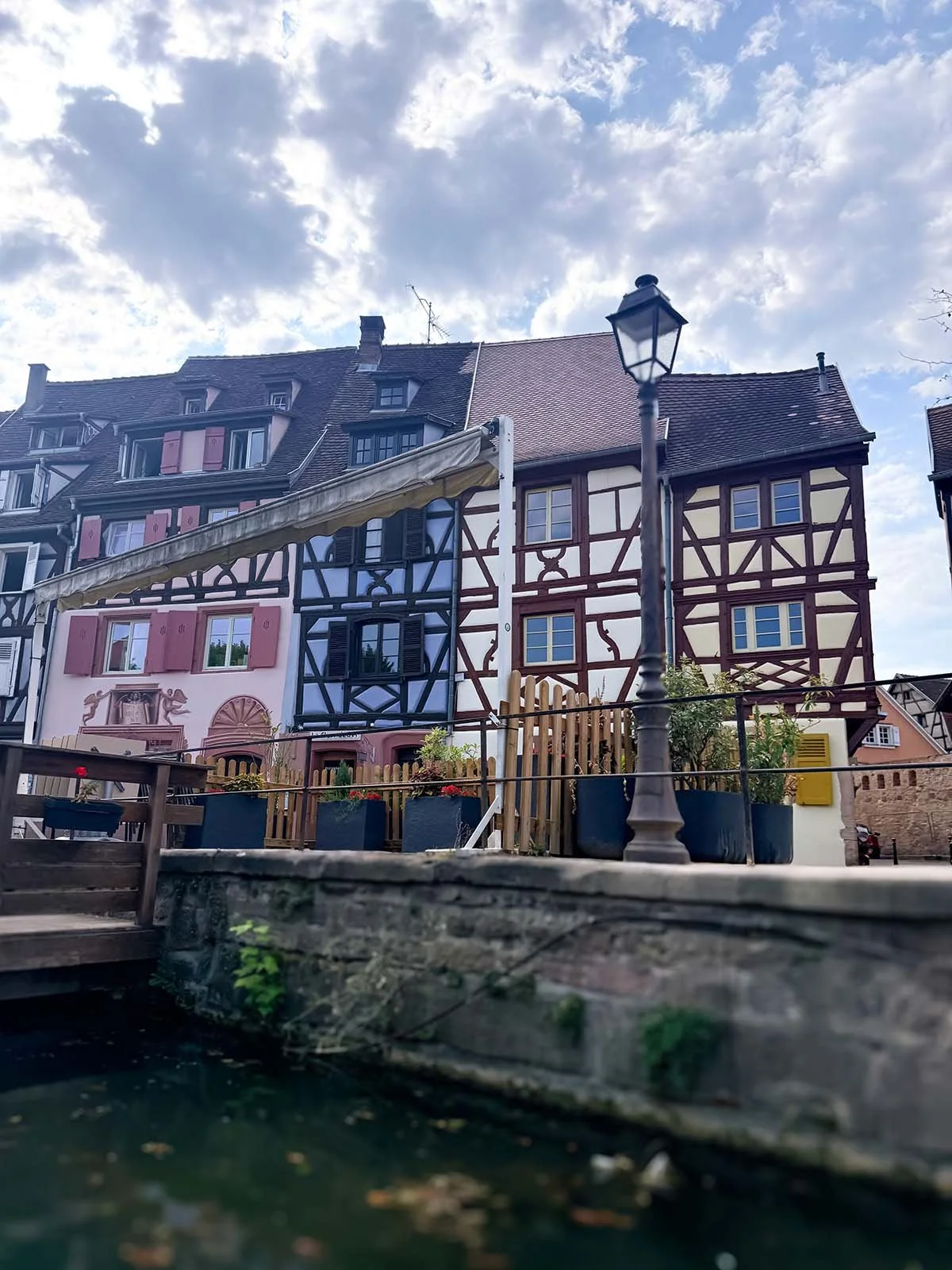
The architecture survived. Alsace changed hands between France and Germany four times between 1871 and 1945, and Colmar came through the Second World War almost untouched while towns around it were flattened. What you're walking through is genuinely old — fifteenth and sixteenth-century timber-framed houses in ochre, pink, mint and deep red, leaning at angles that would fail every modern building code.
It's the capital of Alsace wine. The Wine Route runs 170 kilometres through the vineyards around it, and Colmar sits at the centre. This is Riesling, Gewürztraminer, Pinot Gris and Crémant country, and the tasting culture here is relaxed and unpretentious.
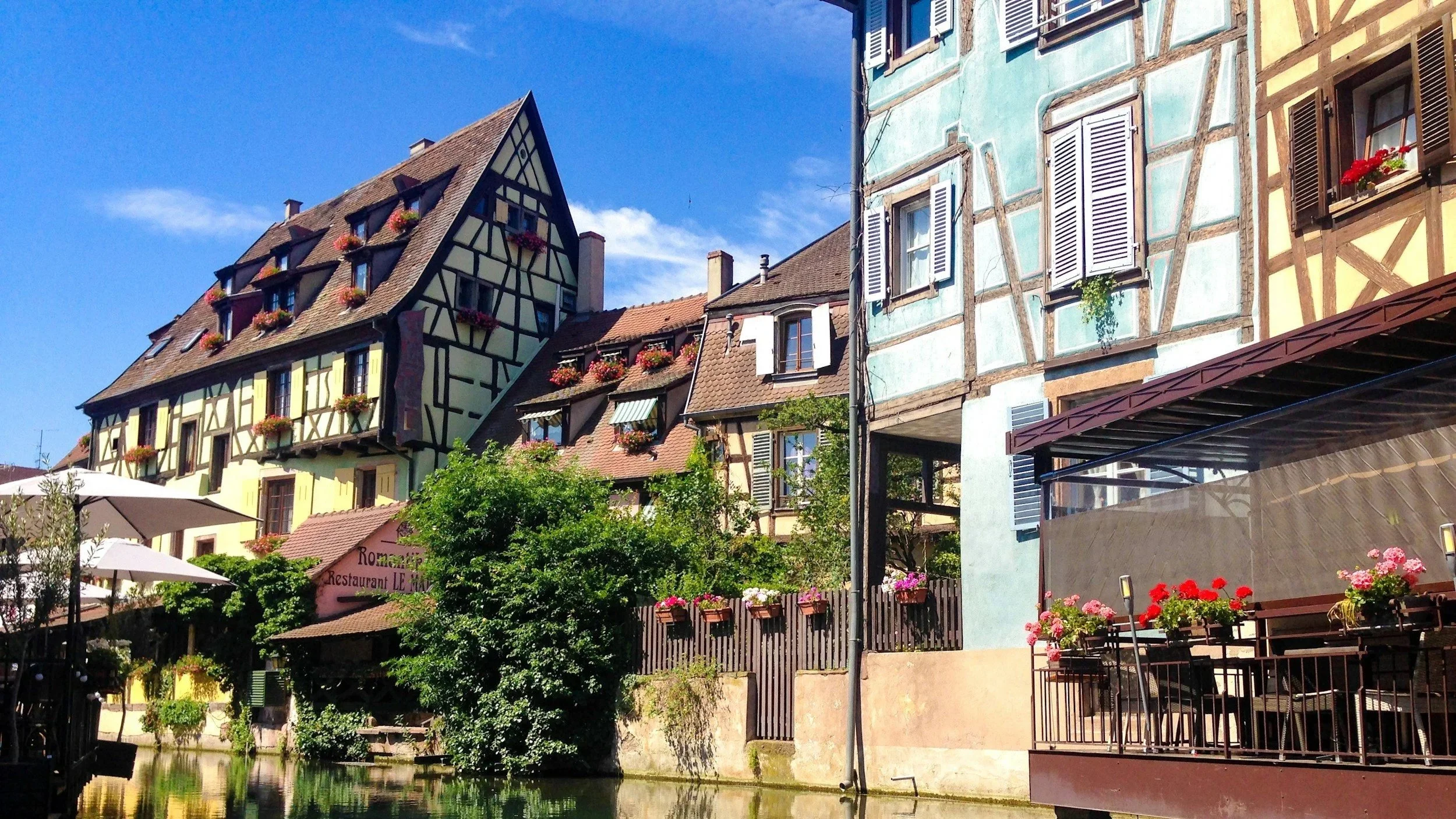
The light on the water. La Petite Venise — Little Venice — is the canal quarter in the old fishmongers' district, and it is exactly as photogenic as everyone says.
Fun Fact
Frédéric Auguste Bartholdi, the sculptor who created the Statue of Liberty, was born in Colmar in 1834. His childhood home is now the Musée Bartholdi, and there's a replica of the statue at the northern entrance to the town. If you're American, this is a slightly surreal thing to come across in an Alsatian village.
Is Colmar a Tourist Trap?
This comes up enough that it deserves a straight answer: partly, and it depends entirely on when you go.
Colmar receives enormous numbers of visitors for a town of 70,000, and between about 11am and 5pm in high season the main squares are genuinely crowded. The souvenir shops in the centre sell the same things you'll find in every European tourist town. If you arrive at midday, take your photograph of Little Venice among two hundred other people doing the same, and leave — yes, it will feel like a trap.
But the crowds are extraordinarily concentrated, in both time and space. Before 9am the old town is virtually empty. After 7pm it empties again. And three streets from the main squares, in any direction, you're in an ordinary French town where people live.
The answer is to stay overnight. Day-trippers arrive late and leave early. Everyone who stays gets the town at its two best hours.
Pro Tip
Set an alarm and be out at 7am with a coffee. The morning light in Little Venice is soft and low, the canals are still, and you will have the most photographed corner of Alsace entirely to yourself. This is the single best piece of advice in this post.
Why We Come in Summer
Colmar has an image problem in reverse: it's so famous at Christmas that people assume it's a winter destination.
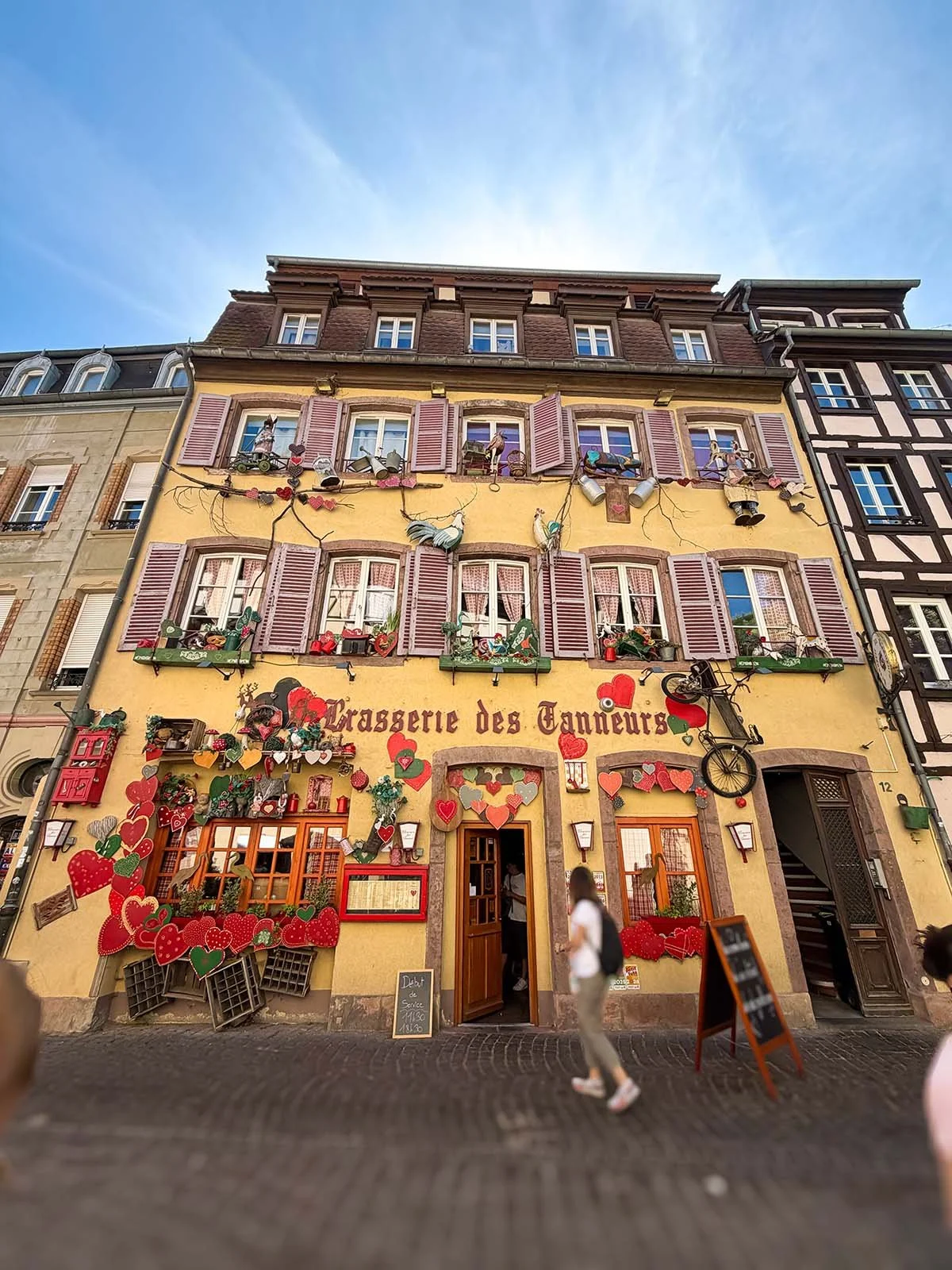
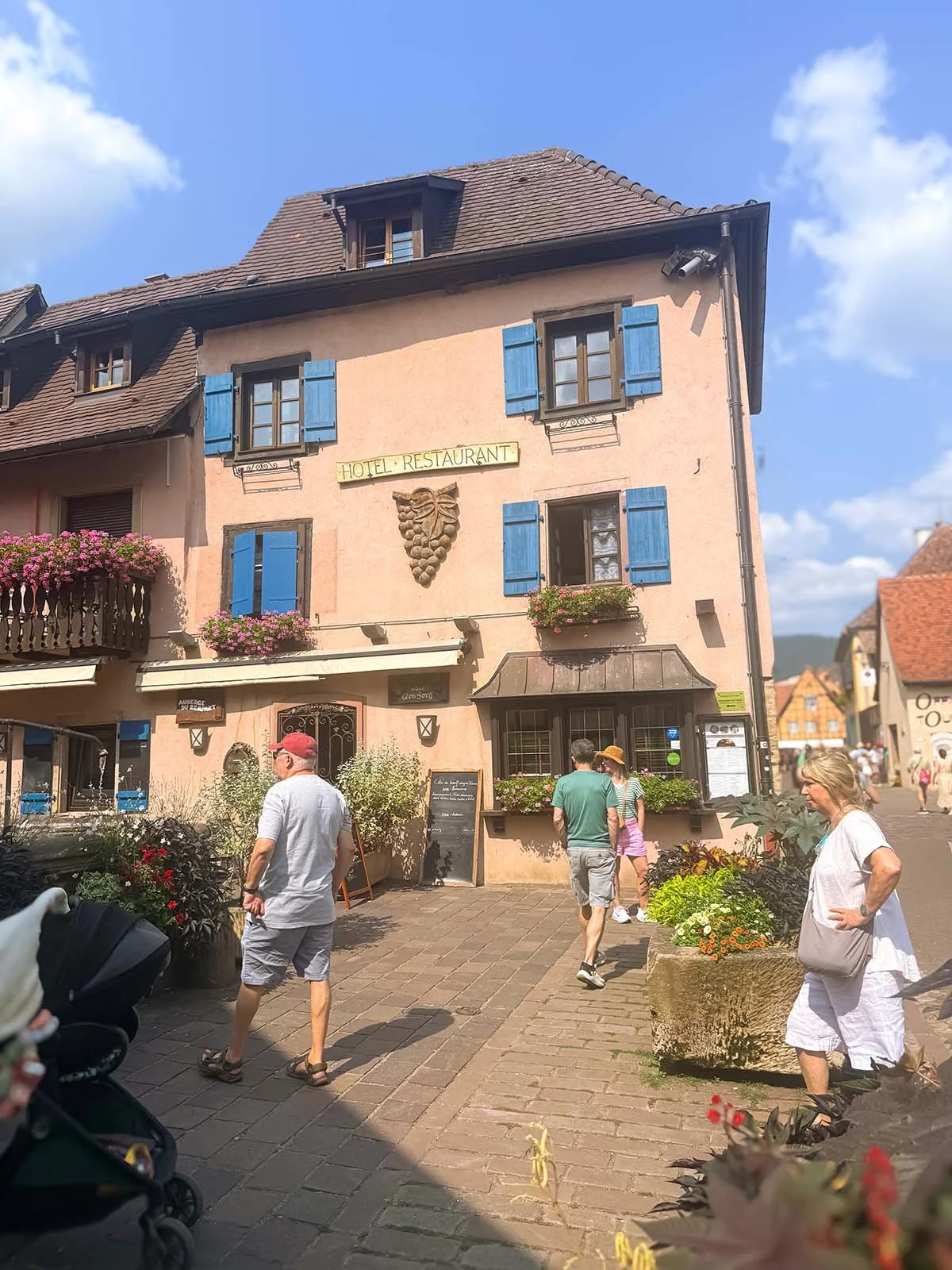
In summer, the window boxes are overflowing — Alsace takes its geraniums extremely seriously — the canals are lined with green, you can eat outside every night, and the surrounding vineyards are in full leaf. The wine route villages are at their absolute best. And the crowd, while real, is spread across long daylight hours rather than compressed into a dark five-hour window.
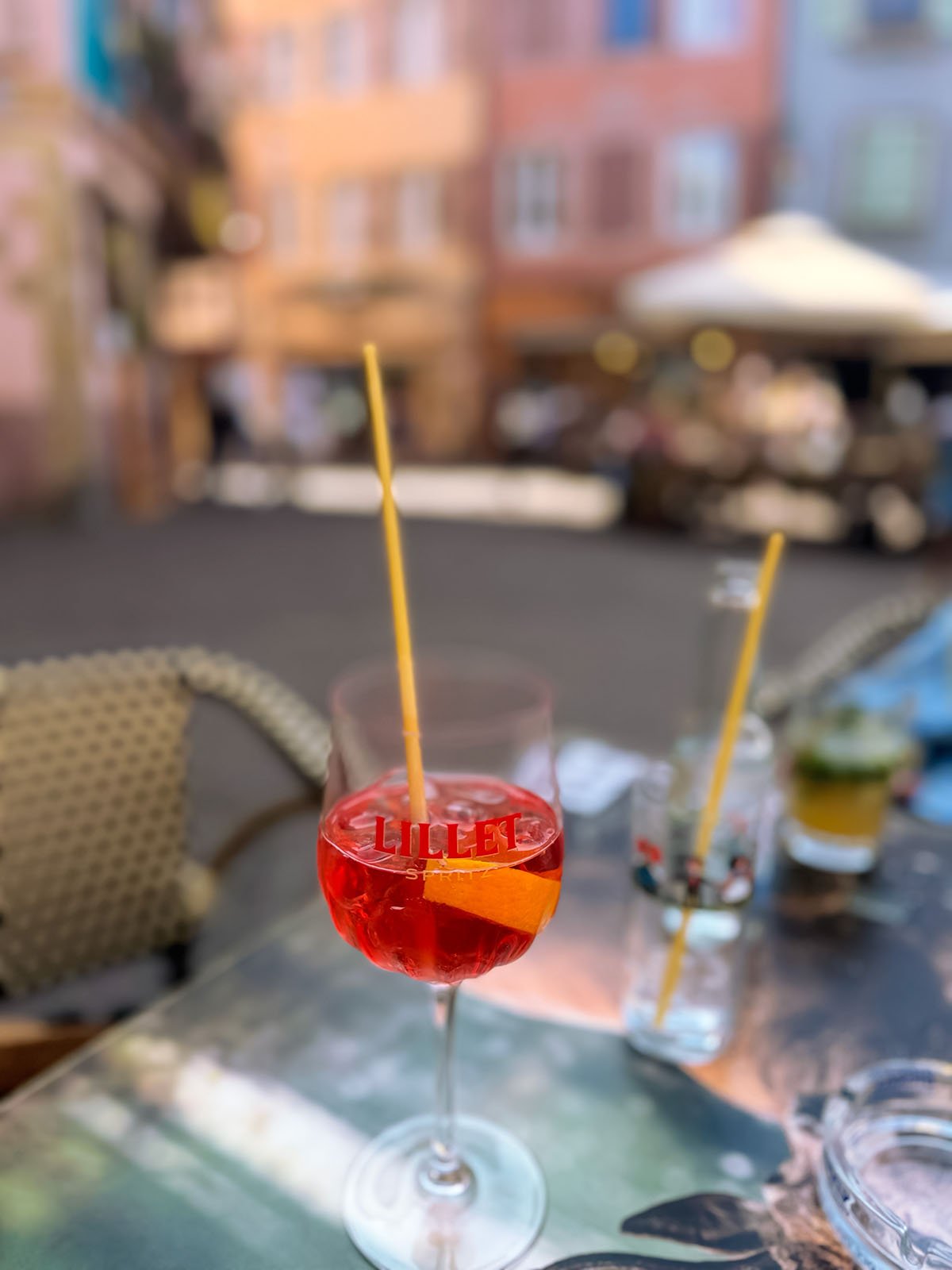
You also get something you never get in December: the evenings. Long, warm, light until 9.30pm, with tables out on the cobbles.
We spend four nights here in August for exactly these reasons.
Things to Do in Colmar
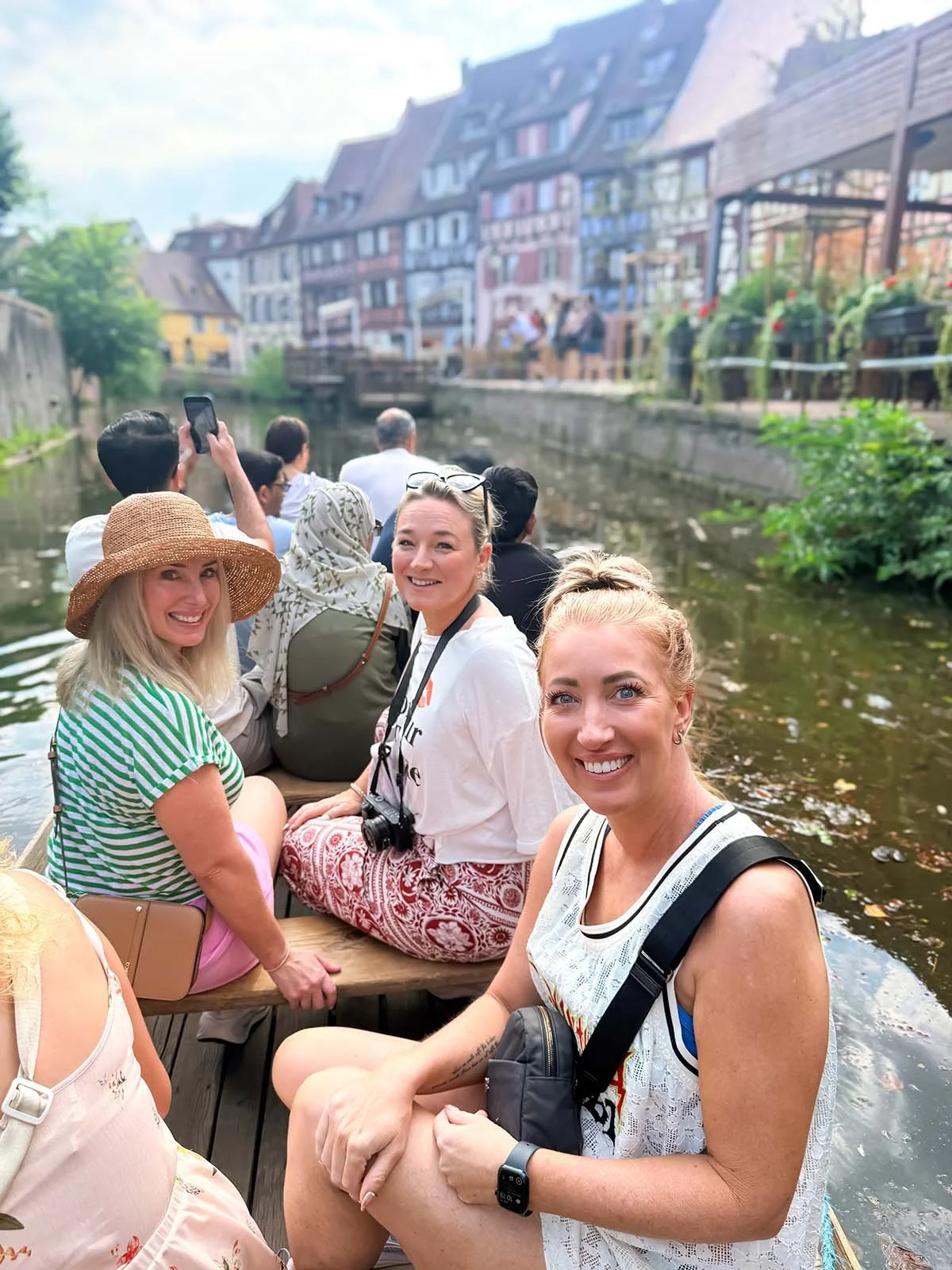
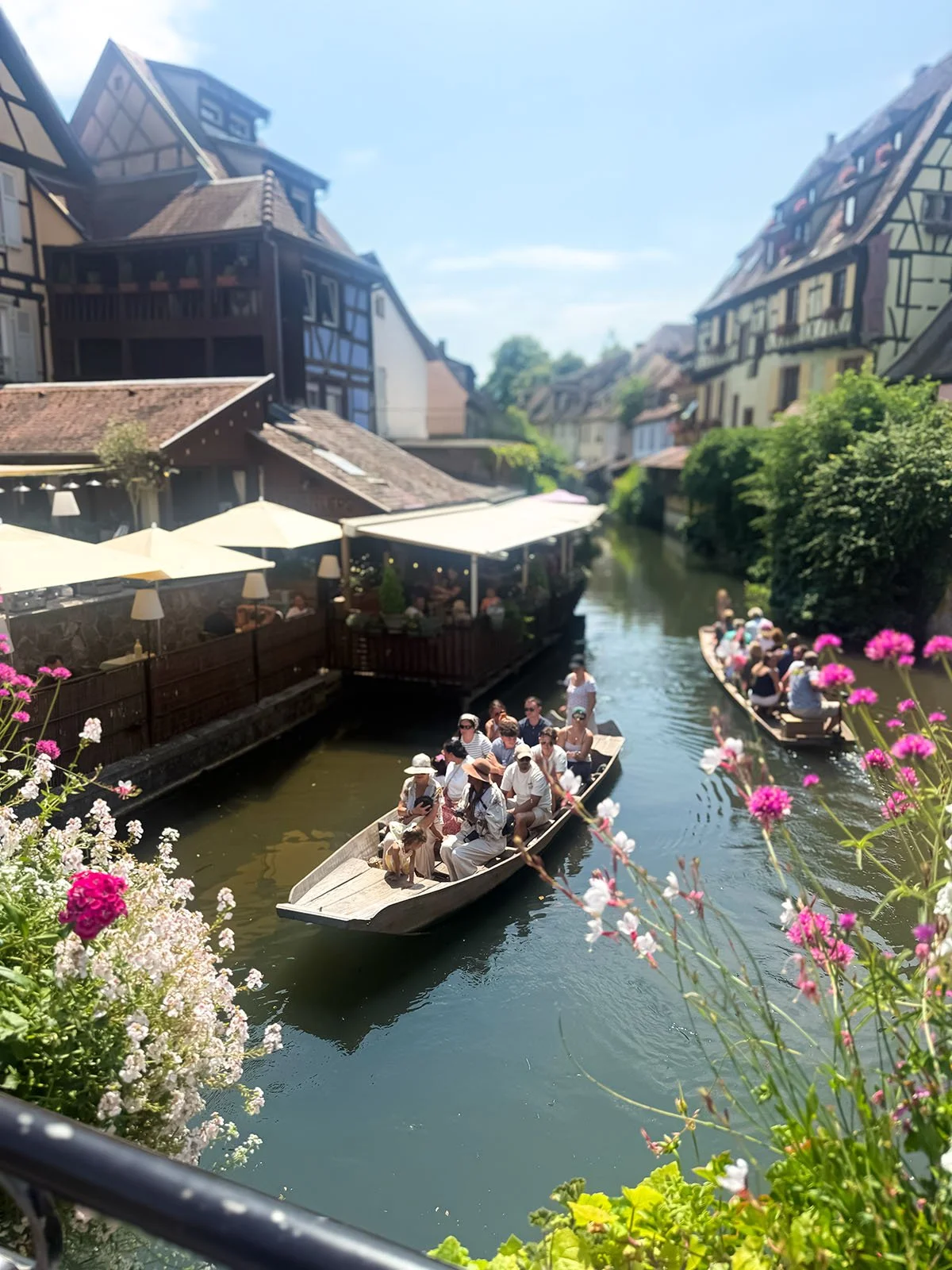
La Petite Venise — the canal quarter. Walk it early or late. Flat-bottomed boat trips run from the Quai de la Poissonnerie and last about 25 minutes; touristy, but the perspective from the water is lovely.
Musée Unterlinden — a thirteenth-century convent housing the Isenheim Altarpiece, one of the most extraordinary and genuinely harrowing artworks in Europe. Even people who don't do museums should see this.
Collégiale Saint-Martin — the Gothic church at the centre of the old town, thirteenth century, dominating the Place de la Cathédrale.
Maison Pfister and the Ancienne Douane — the two most-photographed buildings after Little Venice. The Pfister house dates from 1537.
Marché Couvert — the covered market. Go for lunch: Alsatian charcuterie, cheese, bread, and a glass of Riesling standing at a counter.
Musée Bartholdi — the Statue of Liberty sculptor's birthplace.
The Villages: Eguisheim and Riquewihr
This is the part most visitors skip, and it's the reason to give Alsace more than a day.
Eguisheim is about 10 minutes from Colmar and it is, to my eye, even prettier. The village is built in concentric rings — the streets literally circle the centre, following the line of the old ramparts, so you can walk the whole village in a spiral and come back to where you started. Fountain square at the middle, timber houses in every colour, and a fraction of Colmar's crowds. It's regularly voted among the most beautiful villages in France.
Riquewihr sits in the vineyards about 15 minutes further, still enclosed by its medieval walls. The main street runs uphill to the Dolder tower, and the vines come right down to the village edge. In summer you can walk out of the gate straight into the vineyards.
Both are on the Wine Route, and both have tasting rooms where nobody will make you feel foolish for asking questions.
Insider Tip
Hire e-bikes in Colmar and ride out to Eguisheim. It's a flat, easy route through vineyards, takes under half an hour, and it means you can taste wine without worrying about driving. It's also the best thing we did there that wasn't planned.
Was Colmar in Beauty and the Beast?
Sort of — and this is the question everyone actually wants answered.
Colmar and the surrounding Alsace villages are widely cited as visual inspiration for the village in Disney's 1991 Beauty and the Beast. Disney has never made this an official claim, so treat it as very plausible rather than confirmed.
More firmly documented: Hayao Miyazaki drew on Colmar for Howl's Moving Castle, and the resemblance in the film's town scenes is unmistakable once you've stood there.
Either way, "real-life fairytale village" is not marketing hyperbole here. It genuinely looks like that.
What to Eat and Drink
Alsatian food is French cooking with a distinctly German accent, and it is not light.
Tarte flambée (flammekueche) — thin dough, crème fraîche, onion and bacon, cooked fast in a wood oven. The regional staple, and superb. Choucroute garnie — sauerkraut slow-cooked in Riesling with sausages and pork. Baeckeoffe — a slow-baked casserole of three meats and potatoes. Kougelhopf — the ring-shaped yeast cake in every bakery window.Bretzels — everywhere, and better than they have any right to be.
For wine: Riesling (dry, mineral), Gewürztraminer (aromatic, off-dry, extraordinary with the local Munster cheese), Pinot Gris, and Crémant d'Alsace, which is excellent sparkling wine at a fraction of Champagne prices.
And Yes — the Christmas Markets
I should be honest here: our tour runs in summer, so everything above is what I know first-hand.
But Colmar's Christmas markets deserve their reputation. They run from late November to the end of December across several squares in the old town, each with a different character, and the town is decorated to a standard that makes most European Christmas markets look half-hearted. If Christmas is what draws you, come then — just book accommodation months ahead, because it sells out.
I'll write about that properly once I've been in December myself.
Getting There and Getting Around
From Paris — direct TGV to Colmar in around 2 hours 40 minutes. Straightforward, and the reason Colmar works as a long weekend.
From Strasbourg — about 30 minutes by train.
From Basel (Switzerland) — around 45 minutes; the nearest major airport is Basel-Mulhouse.
Colmar's old town is small and entirely walkable. For the villages, hire a car, take a small-group tour, or use e-bikes for the closer ones.
Which Is Prettier, Strasbourg or Colmar?
Colmar, for looks. It's smaller, more concentrated, and every street in the centre delivers.
Strasbourg is the more significant city — a magnificent cathedral, the European Parliament, better museums, more going on. If you want a city, go to Strasbourg. If you want the storybook Alsace of the photographs, Colmar wins, and it's a better base for the wine route villages.
Ideally, do both. They're thirty minutes apart.
Come in the Warm Months
Everyone photographs Colmar in December. Fewer people see it in August, with the geraniums spilling out of every window, the vineyards green in every direction, and dinner outside until late.
We base in Colmar for four nights on the European Burlesque Tour, with day trips out to Eguisheim and Riquewihr, before the route runs on to Paris. The tour begins much further south, with four nights in Marseille and a day among the calanques of Cassis.
Much love, TJ Travels xoxo
FAQ
What is special about Colmar, France? Its old town survived the Second World War intact, leaving a concentration of fifteenth and sixteenth-century half-timbered houses, canals in the Little Venice quarter, and a position at the centre of the Alsace Wine Route.
Is Colmar a tourist trap? Between 11am and 5pm in peak season, the centre is very crowded. Early mornings and evenings are quiet and lovely. Staying overnight rather than day-tripping is the difference between the two experiences.
Is Colmar worth visiting in summer? Yes — arguably more than at Christmas. Flower-filled window boxes, green canals, long light evenings, and the wine route villages at their best.
Which is prettier, Strasbourg or Colmar? Colmar is prettier and more compact. Strasbourg is the larger, more significant city with a greater cathedral and better museums. They're thirty minutes apart, so see both.
Was Beauty and the Beast filmed in Colmar? It's animated, so nothing was filmed there — but Colmar and the Alsace villages are widely cited as visual inspiration for the 1991 Disney film's village. Miyazaki's Howl's Moving Castle drew on Colmar more demonstrably.
How far is Eguisheim from Colmar? About 10 minutes by car, or under 30 minutes by bike on a flat route through vineyards.
How many days do you need in Colmar? Two days for the town itself. Three or four lets you add the wine route villages properly — Eguisheim, Riquewihr, Kaysersberg and Ribeauvillé.