
MARSEILLE, FRANCE: AN HONEST GUIDE TO FRANCE'S OLDEST CITY
The Vieux-Port, Le Panier, and Why This City Deserves Better Than Its Reputation
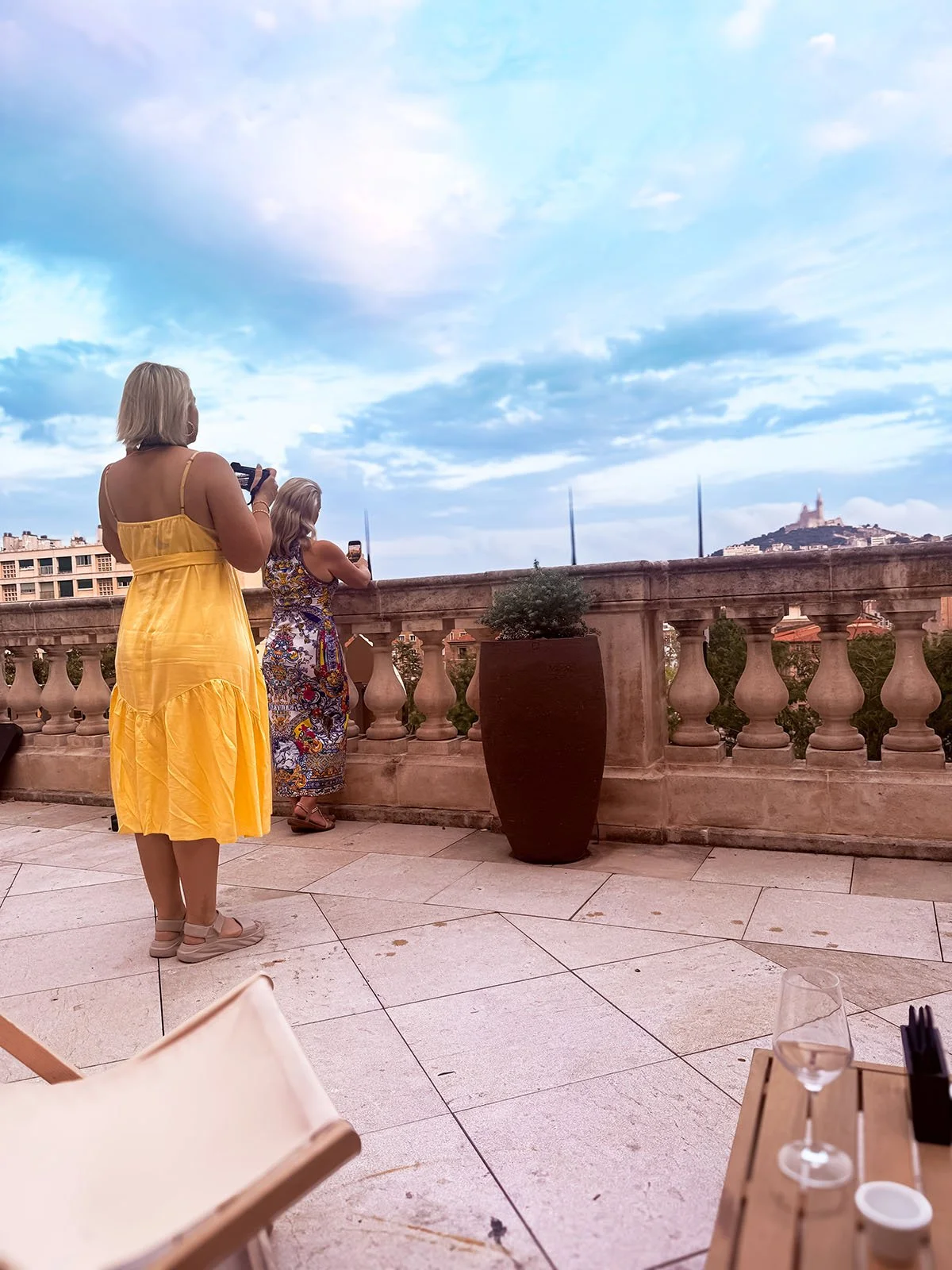
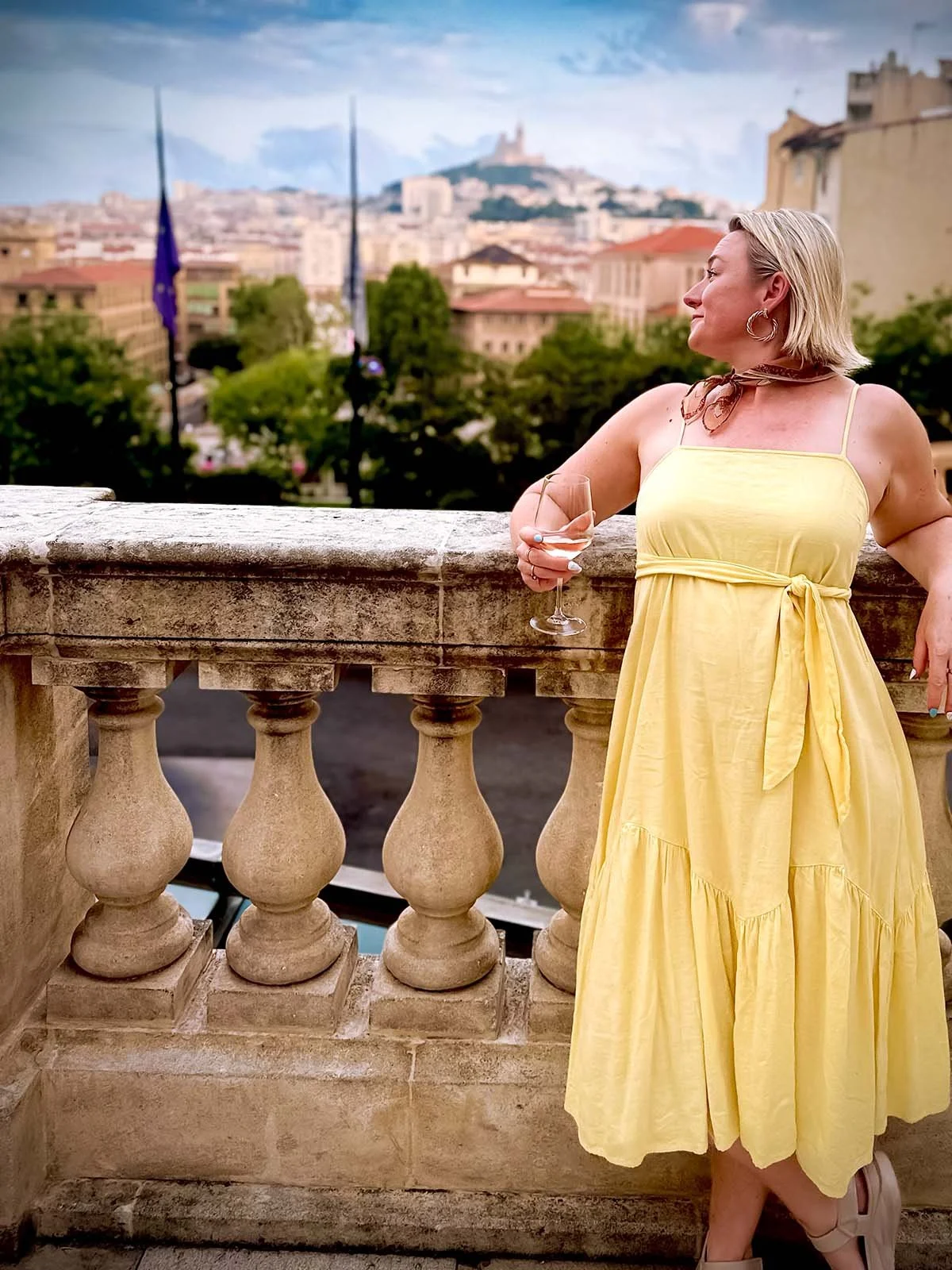
Marseille is France's oldest and second-largest city, founded by Greek sailors around 600 BC on the Mediterranean coast of Provence. It's best known for the Vieux-Port, the hilltop basilica of Notre-Dame de la Garde, the limestone cliffs of the Calanques, bouillabaisse, and a raw, multicultural energy you won't find anywhere else in France. Most visitors need two to three days. And yes — the tourist areas are safe.
I'm Tammie. I've travelled to Europe more than 48 times and I run tours through Provence and the Riviera. Marseille is the city I most often have to talk people into, and the one they most often thank me for afterwards.
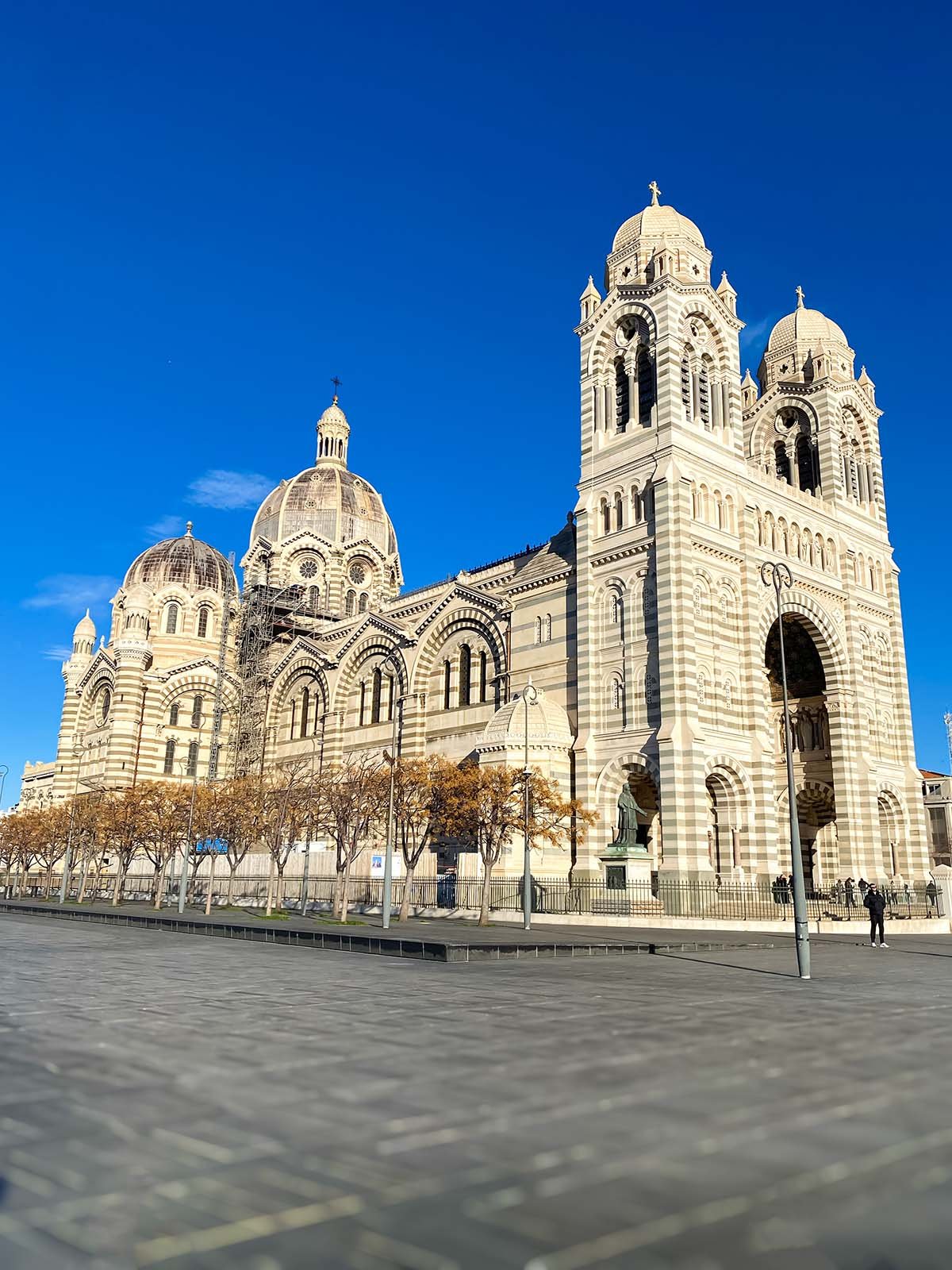
Isn't Marseille Dangerous?
Let's get this out of the way, because it's the first thing everyone asks.
Marseille's reputation comes from organised crime concentrated in the northern housing estates — the 13th, 14th, 15th and 16th arrondissements. Those districts are kilometres from anywhere a visitor has any reason to go, and the violence there is between rival groups, not aimed at tourists.
The Marseille you'll actually see — the Vieux-Port, Le Panier, La Joliette, the Corniche, the climb to Notre-Dame de la Garde — is busy, well policed, and full of ordinary people going about their day. The genuine risk to you is pickpocketing in crowds, particularly around the harbour and on the metro. It's the same caution you'd use in Barcelona, Rome or central London: zipped bag worn in front, phone out of your back pocket, nothing valuable left on a café chair.
What I'd say honestly: Marseille is a working port city, not a manicured resort. It's louder and scruffier than Nice. Some streets near Saint-Charles station feel unwelcoming after dark. But the fear most people arrive with is wildly out of proportion to anything they'll experience.
Pro Tip
The single best thing you can do is stay central. Base yourself around the Vieux-Port, Le Panier or the 7th, and everything worth seeing is walkable or a short metro ride away.
Is Marseille Worth Visiting?
Yes — and I'd argue it's more interesting than the prettier towns along the coast.
Here's the thing about Marseille. It isn't performing for you. Nice and Cannes have spent a century learning how to look attractive to visitors, and they're very good at it. Marseille just gets on with being itself: fishermen selling the morning catch on the quay, soap makers working the same recipes they've used for six centuries, North African spice shops next to Provençal bakeries, football arguments spilling out of every bar.
It's a city with 2,600 years of continuous history and absolutely no interest in being charming about it. I find that refreshing. If you want polished, go east. If you want a city with a pulse, you've found it.
Fun Fact
The first coffee in France was served in Marseille, in 1654 — decades before Paris caught on. Trade with the Ottoman Empire got there first.
What Is Marseille Best Known For?
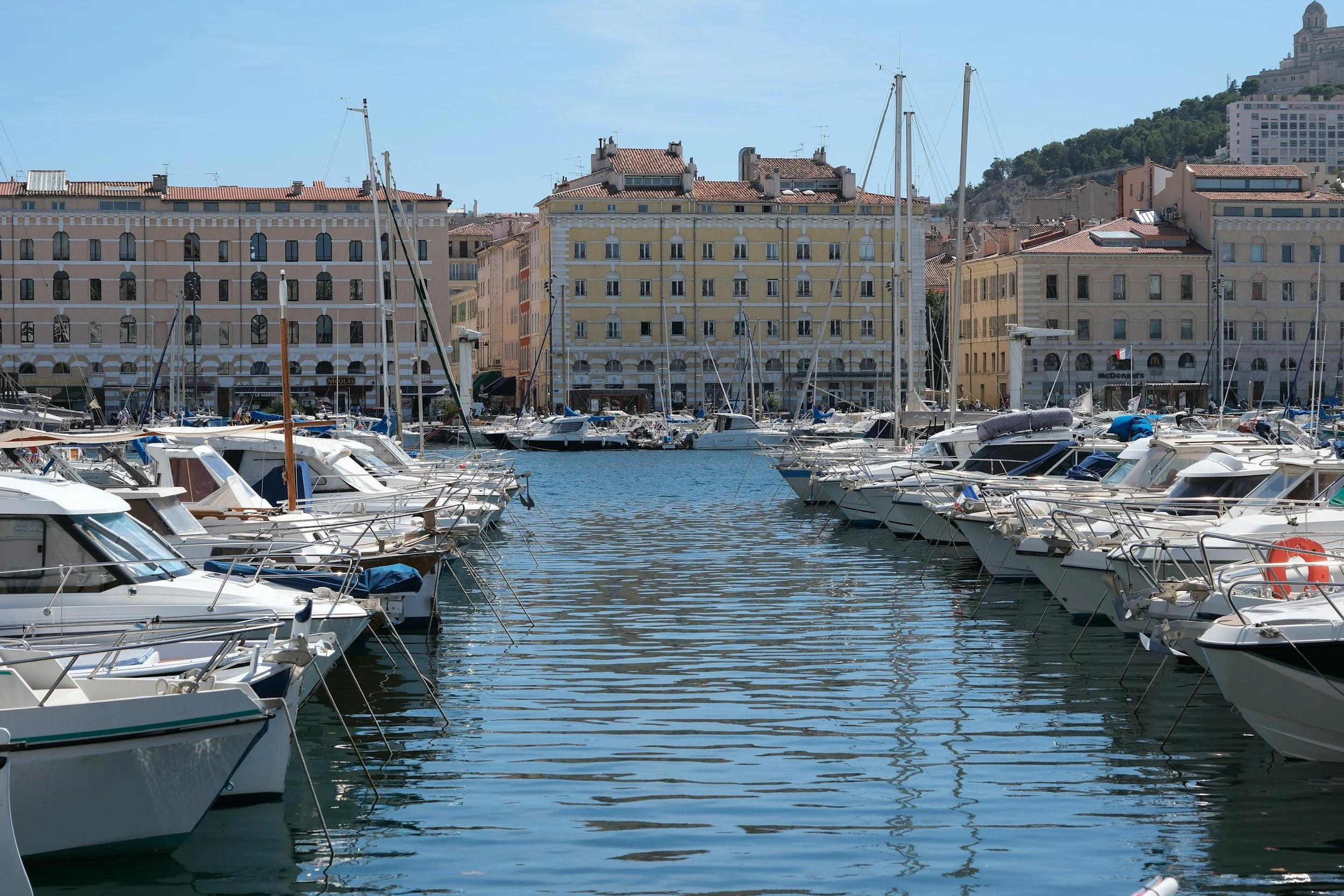
The Vieux-Port — the Old Port, the city's heart for over 2,600 years, where Greek settlers first landed.
Notre-Dame de la Garde — the 19th-century basilica on the highest point in the city, visible from almost everywhere, with panoramic views over the sea.
The Calanques — dramatic white limestone inlets stretching east towards Cassis, now a national park.
Bouillabaisse — the fish stew that started as a fisherman's way of using up the unsellable catch and became one of France's most famous dishes.
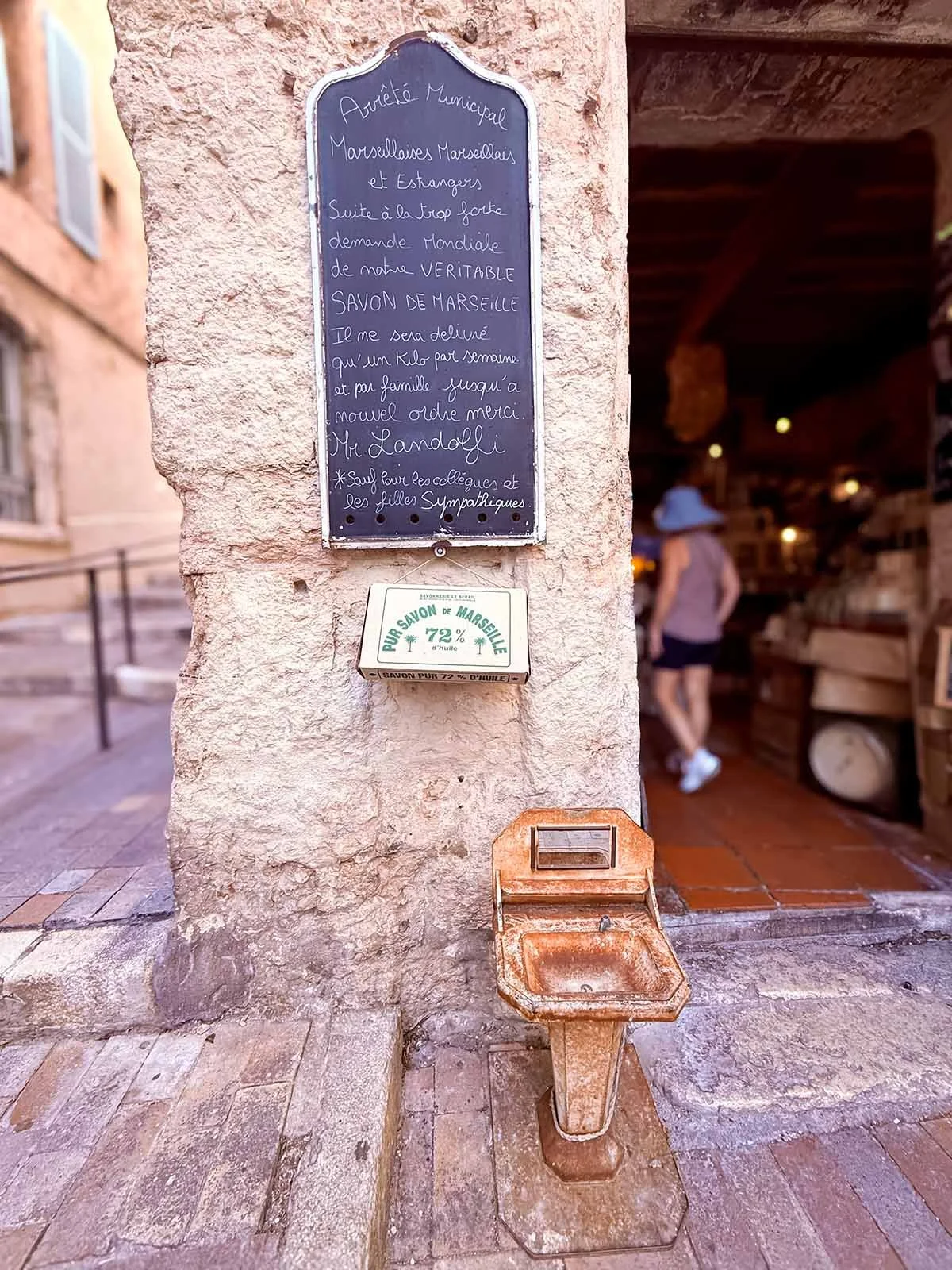
Savon de Marseille — traditional olive oil soap, made here for around 600 years.
Château d'If — the island fortress in the bay, made famous by Alexandre Dumas in The Count of Monte Cristo.
The Vieux-Port
Start here. Everyone does, and they're right to.
The Old Port is a natural harbour that has been in continuous use since the Greeks arrived. Fishing boats still moor along the quay and sell their catch each morning — the fish market on the Quai des Belges is small, loud, and completely genuine. Cafés spill onto the waterfront on all three sides. Norman Foster's mirrored pavilion on the quay reflects the whole scene upside down, which sounds gimmicky and is actually rather lovely.
The two seventeenth-century forts guarding the harbour mouth, Saint-Jean and Saint-Nicolas, were built by Louis XIV — pointedly, with their guns facing inward at the city rather than out to sea. Marseille had a long history of rebelling, and the king wanted to make a point.
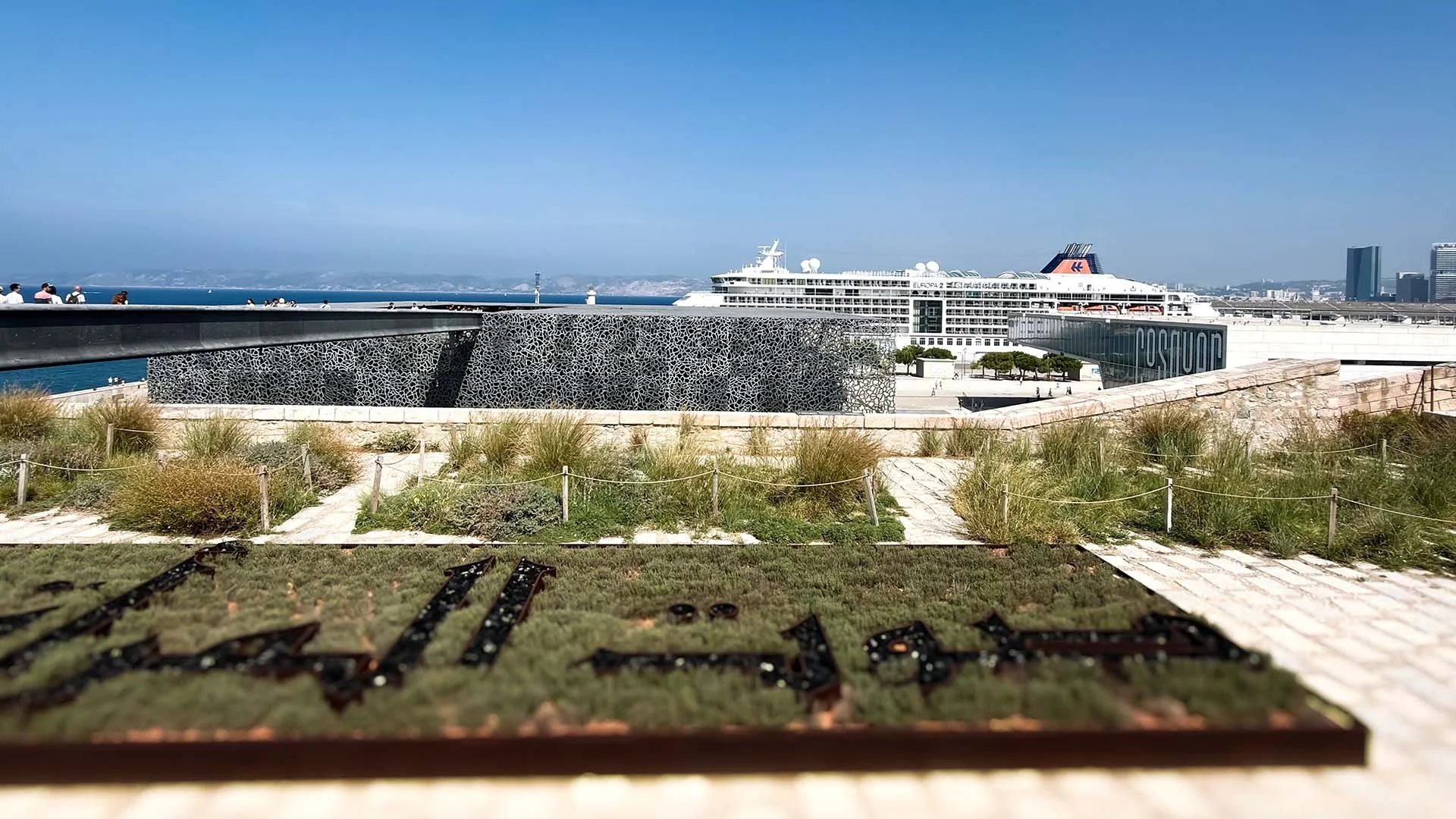
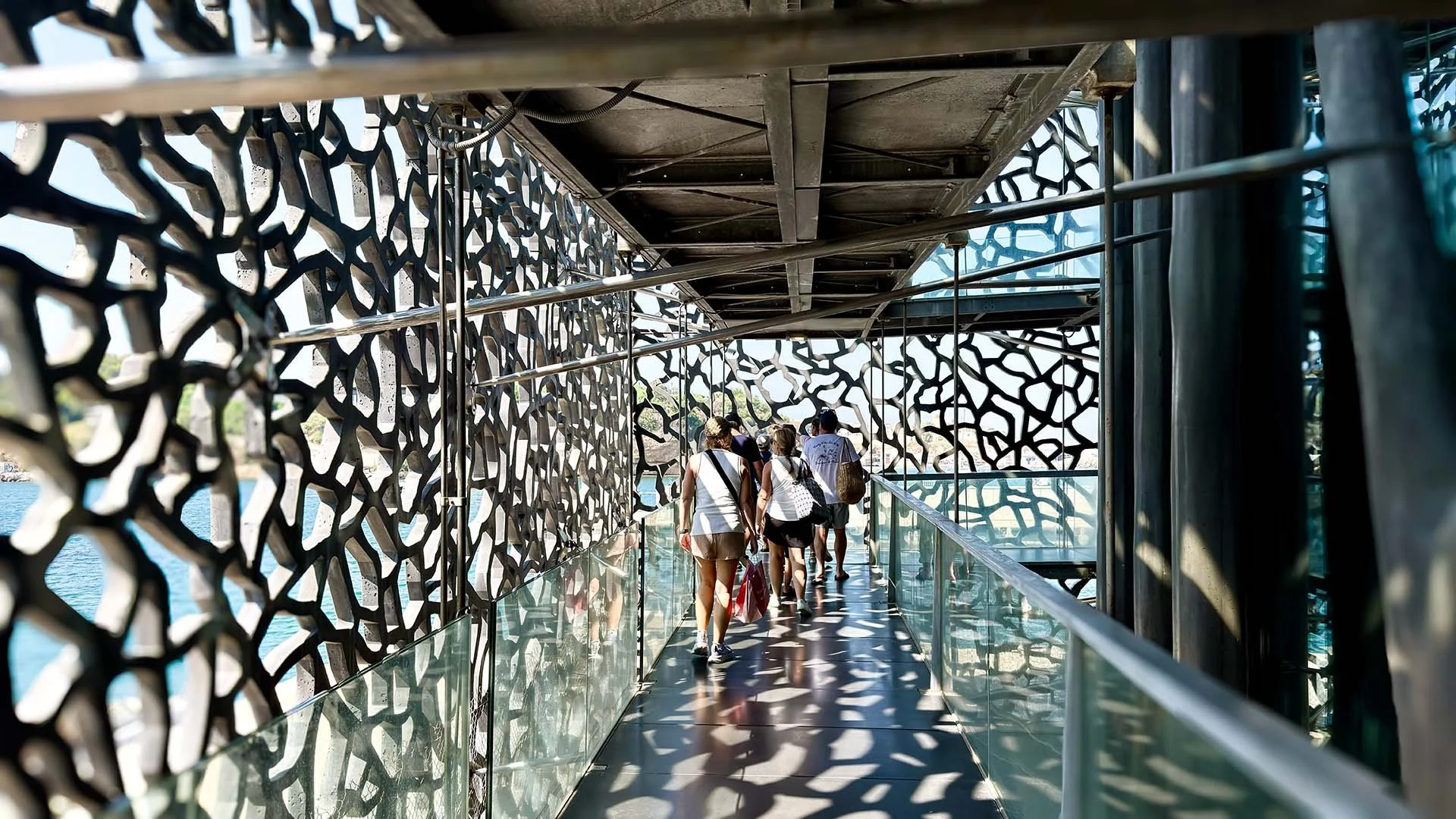
Fort Saint-Jean now connects by footbridge to MuCEM, the Museum of European and Mediterranean Civilisations — a striking lattice-shell building on the waterfront. Even if museums aren't your thing, walk the rooftop for the views.
Insider Tip
The morning fish market is over by about 1pm and it's at its best around 8–9am. Go early, buy nothing, and just watch. It's the most authentically Marseillais half-hour available to a visitor.
Le Panier: The Old Town
Up the hill behind the north quay is Le Panier, the oldest neighbourhood in Marseille and the place most people fall for.
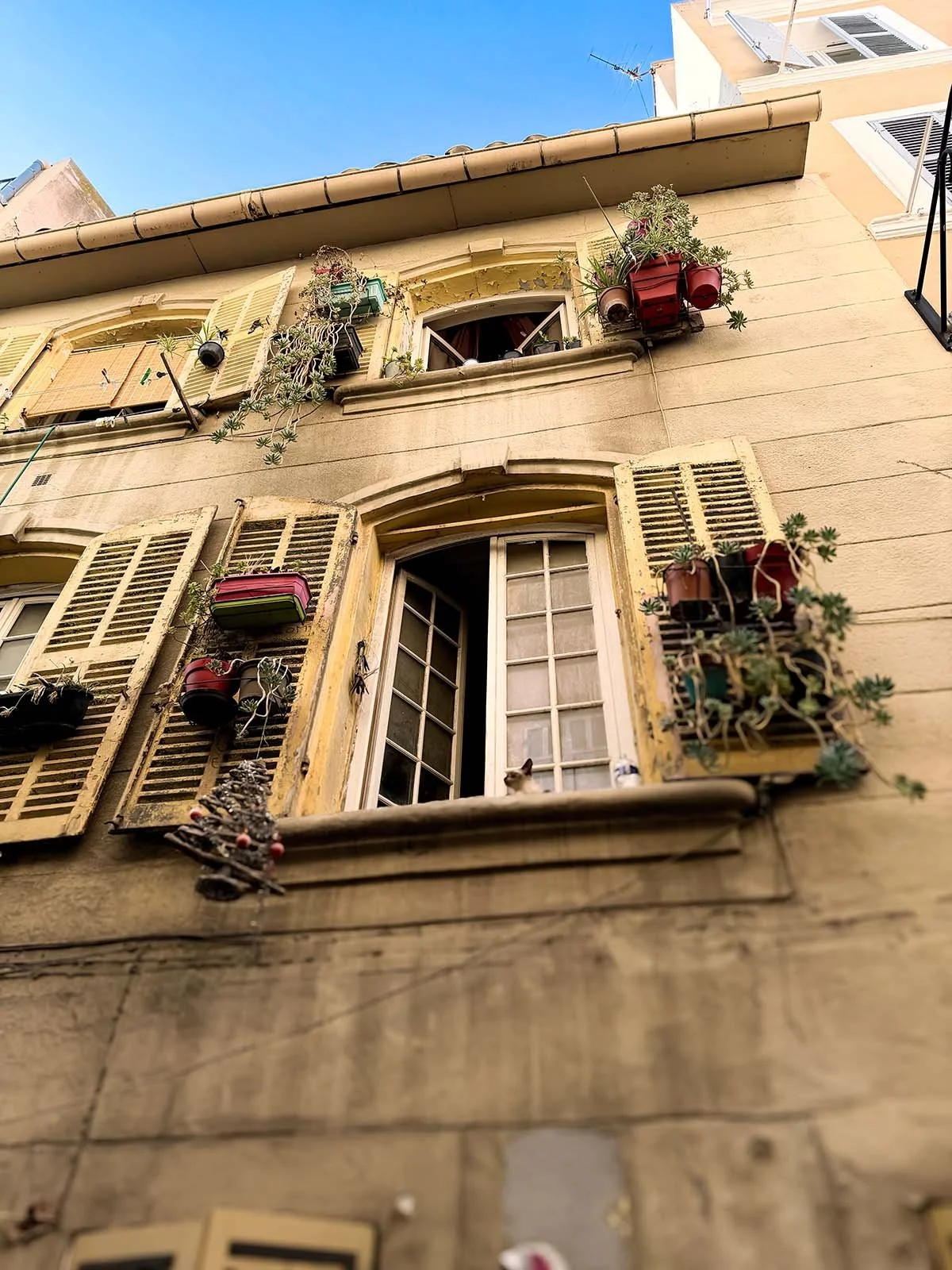
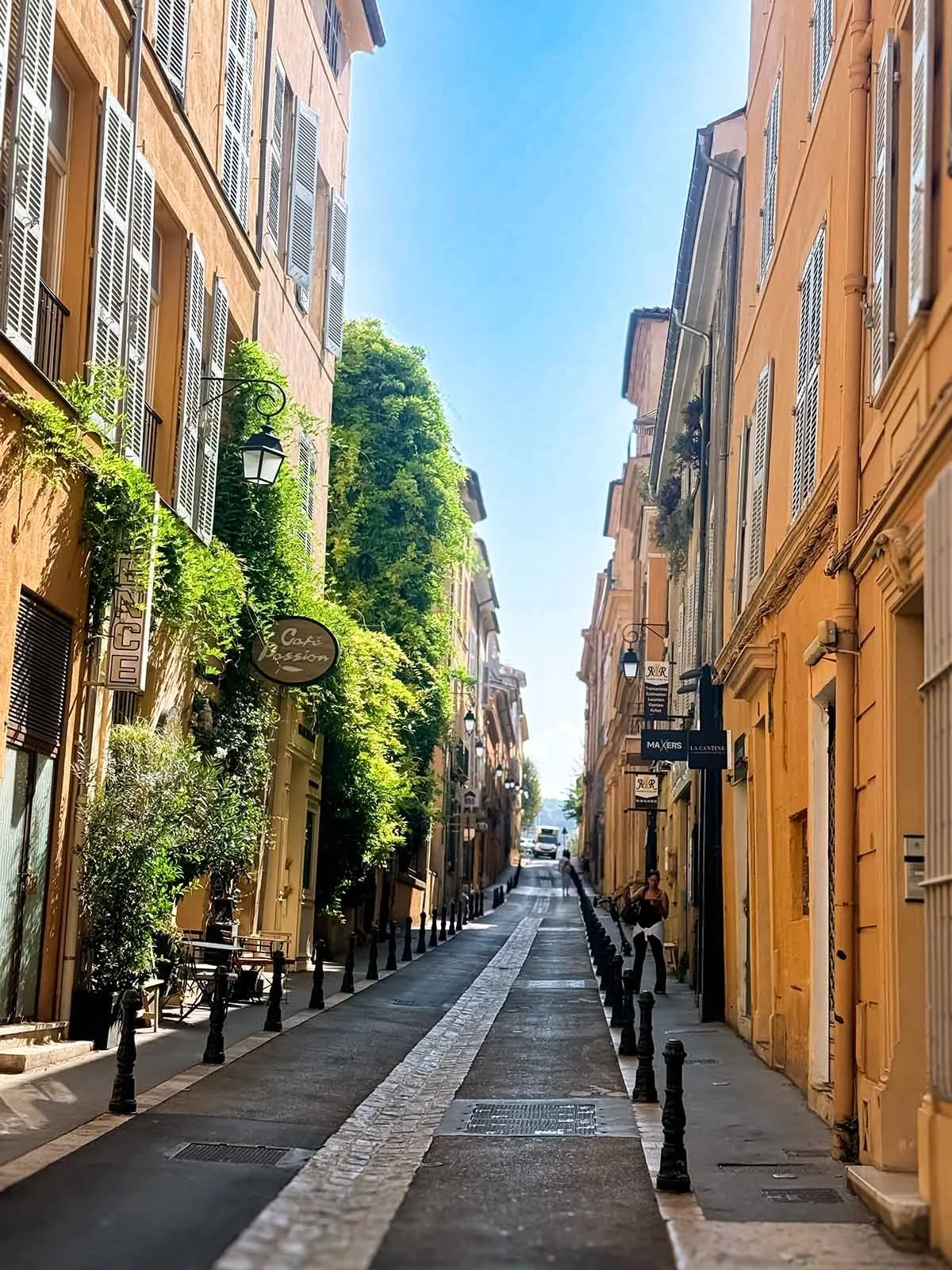
The name means "the basket." These are the lanes where the Greek city stood, rebuilt over and over, most recently after the Nazis dynamited the waterfront quarter in 1943. What's there now is a warren of narrow streets, ochre and pink facades, washing strung between windows, staircases that turn into alleys, and some of the best street art in France appearing on walls without warning.
It's full of artisan workshops — soap makers, ceramicists, small galleries, santon figurine makers. La Vieille Charité sits at the top: a seventeenth-century almshouse built around a domed baroque chapel, now a cultural centre, and one of the most beautiful buildings in the city. Most visitors walk straight past it.
Le Panier during the day is one of the most relaxed parts of Marseille. It gets quiet at night, when residents go home and the shops shut, so do your wandering in daylight.
Pro Tip
Don't navigate Le Panier with a map. The whole pleasure of it is turning down a lane because it looks interesting. You can't get properly lost — the hill always leads back down to the port.
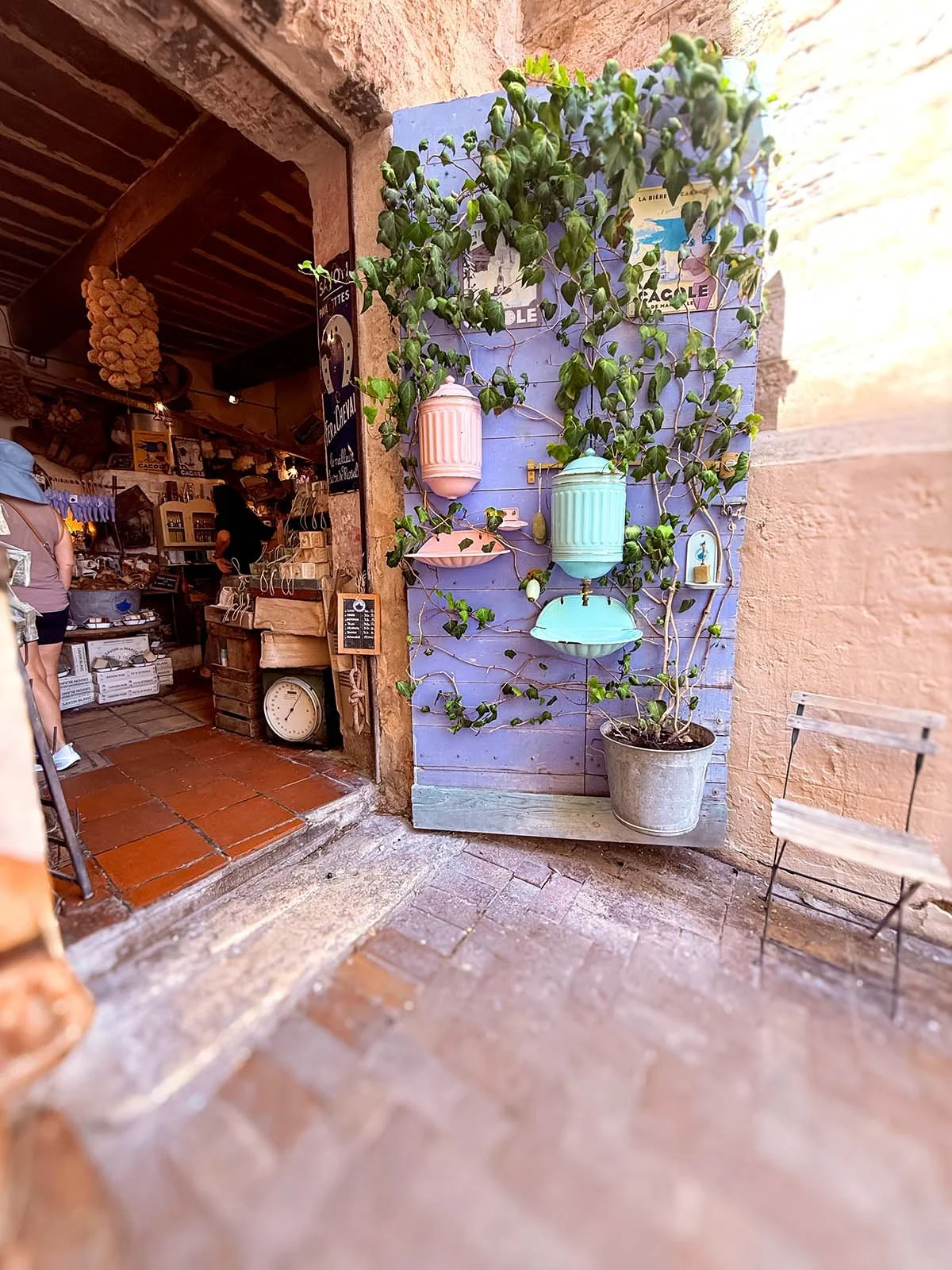
Notre-Dame de la Garde
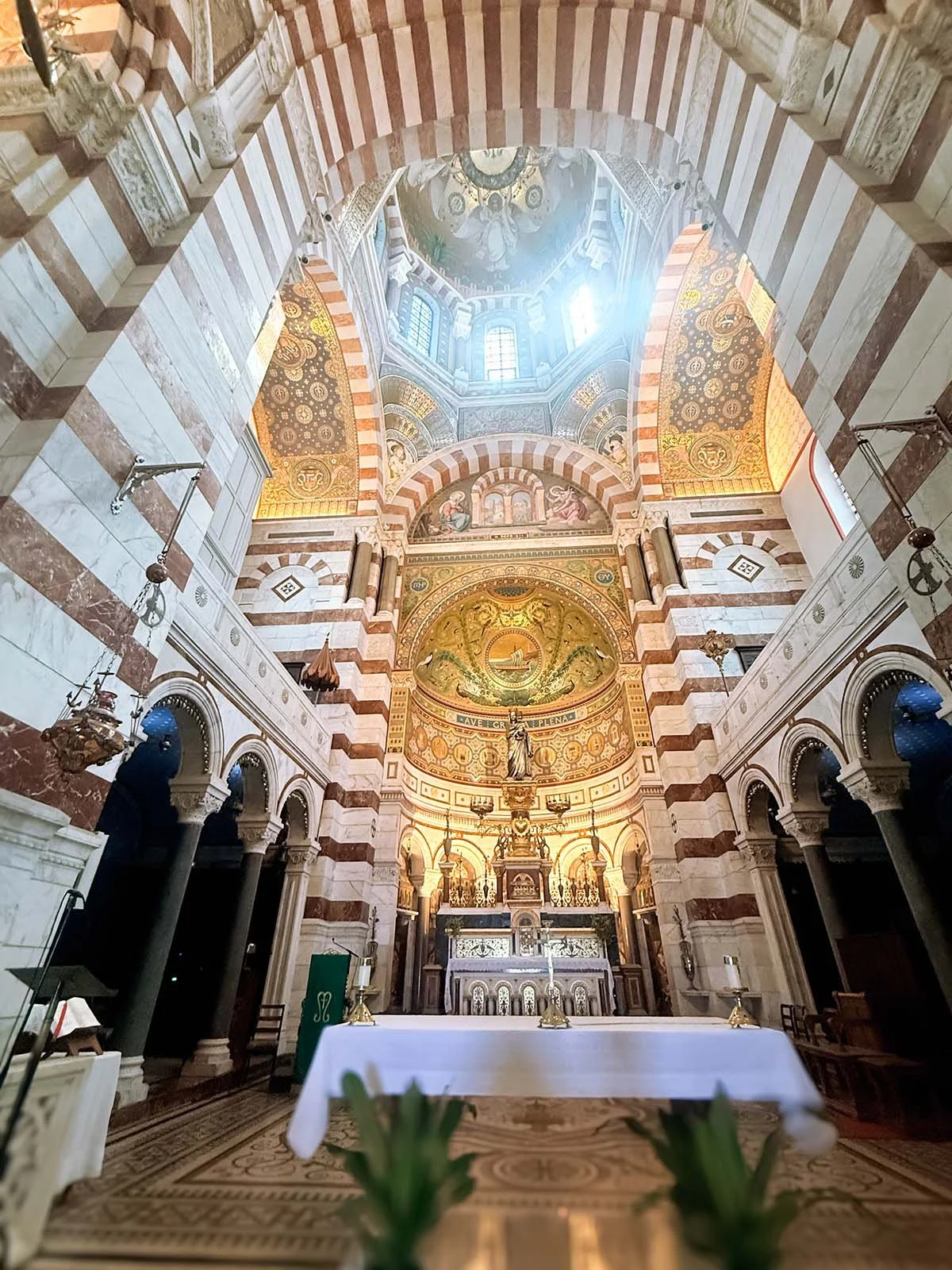
The basilica sits on a limestone outcrop 150 metres above the city, topped with a gilded Virgin the locals call la Bonne Mère — the Good Mother. Sailors have been leaving offerings here for centuries, and the interior is hung with model ships, paintings of storms survived, and hand-painted thank-yous from people who made it home.
The views are the best in Marseille: the whole city, the harbour, the islands, and the coastline running away towards the Calanques.
It's a steep climb. There's a bus (line 60), a tourist train from the Vieux-Port, or a taxi. Take one of them up and walk down if your knees prefer — the descent through the Saint-Victor quarter is lovely, and Abbaye Saint-Victor, one of the oldest places of Christian worship in France, is on the way.
Beyond the Postcard: Where Locals Actually Go
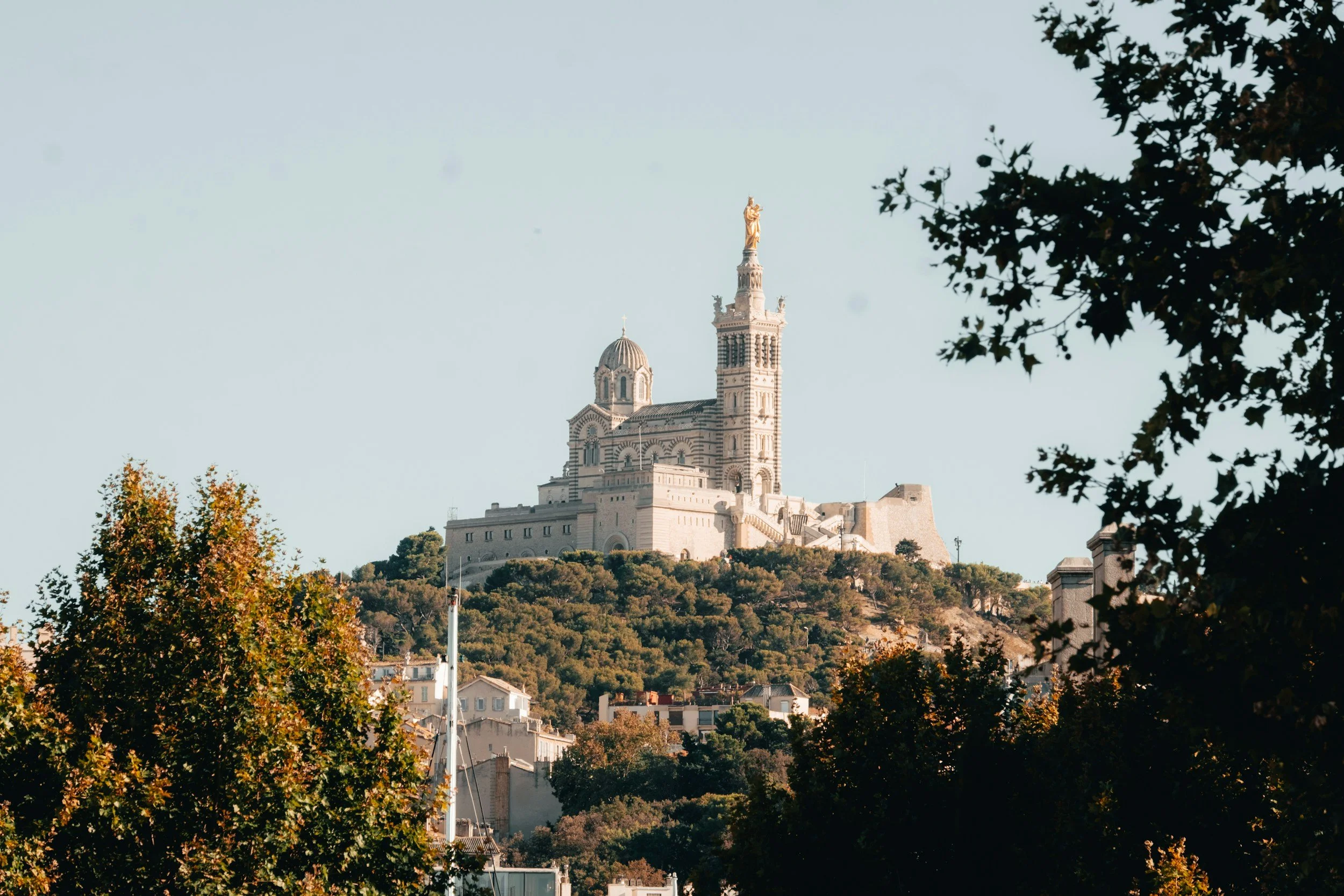
Cours Julien is the bohemian quarter up the hill — street art on every surface, independent record shops, small music venues, market days on the square. Livelier and younger than the harbour.Vallon des Auffes is a miniature fishing port tucked under a road bridge on the coast road, barely bigger than a swimming pool, lined with boats and a couple of very good seafood restaurants. It's five minutes from the city centre and feels like a village.La Corniche Kennedy is the coast road running south from the port — a long, breezy walk with the sea on one side, and reliably quiet.The Frioul Islands are a twenty-minute ferry from the Vieux-Port: bare limestone, walking paths, swimming coves and almost no shade. The same ferry stops at Château d'If.Le Corbusier's Unité d'Habitation is out in the 8th — a 1952 concrete apartment block that changed twentieth-century architecture, with a rooftop you can visit and a hotel inside it if you want to sleep in a piece of design history.
What to Eat
Bouillabaisse is the famous one, and it's worth understanding before you order. A proper one is a two-part ritual — broth first, then the fish — and it takes hours to make and costs accordingly. Anywhere on the harbour offering it cheaply is not making it properly. Ask a local where they'd send their own family.Beyond that: panisses (chickpea fritters), navettes (orange-blossom biscuits from the Four des Navettes, baking since 1781), pastis as an aperitif, and outstanding North African food throughout the city — Marseille's Tunisian and Algerian communities have been here for generations and the couscous is superb.
Fun Fact
Savon de Marseille is legally protected in name only loosely, so plenty of what's sold to tourists isn't the real thing. Genuine soap is at least 72% olive oil, and that figure is stamped into the block. If it isn't stamped, it isn't it.
How Many Days Do You Need?
Two days covers the city properly — the Vieux-Port, Le Panier, MuCEM and Notre-Dame de la Garde, with time to eat well.Three days lets you add the Calanques or the Frioul Islands, plus the neighbourhoods most visitors skip.Four or more and you can use Marseille as a base for Provence: Cassis, Aix-en-Provence, the Bandol wine region and the lavender fields are all within easy reach.If you're arriving by cruise ship with a single day ashore, that's a different problem with a different answer — I've written about how to spend one day ashore from the Marseille cruise port separately, including the terminal transfer that catches most people out.
Getting Around
Marseille has two metro lines, three tram lines and an extensive bus network, all run by RTM, and it's genuinely easy to use. The centre is walkable, though the hills are real. Ferries cross the Vieux-Port and run out to the islands.You do not want a car in the city — parking is difficult, the low-emission zone is restrictive, and car break-ins are one of the few genuine crime risks tourists face here. If you're heading out into Provence, hire a car for those days only, or let someone else drive.
When to Visit
May to June and September to early October are ideal — warm, bright, and without the July–August crush.July and August are hot (often into the mid-30s) and busy, but this is when the lavender and sunflowers are at their best inland.Winter is mild and quiet. The mistral wind blows hard and cold, but the light is extraordinary and you'll have the city almost to yourself.
Marseille Deserves Better Than Its Reputation
People come here braced for something difficult and leave asking when they can come back. It's a city with genuine character, real history, superb food, and the most beautiful coastline in France starting at its doorstep.Give it more than an afternoon if you can. It rewards the time.We spend four nights in Marseille at the start of the European Burlesque Tour, and I run private day tours here for travellers who'd rather someone else handled the details.
Much love, TJ Travels xoxo
FAQ
Is Marseille worth visiting for tourists? Yes. It's France's oldest city, with 2,600 years of history, a spectacular coastline and food culture, and far fewer crowds than the Riviera. It's less polished than Nice or Cannes, which is precisely the appeal for many travellers.
Is Marseille safe? The tourist areas are. Serious crime is concentrated in the northern districts, well away from anywhere visitors go. Pickpocketing in crowded areas is the realistic risk, handled by ordinary city precautions.
What is Marseille best known for? The Vieux-Port, Notre-Dame de la Garde, the Calanques National Park, bouillabaisse, Savon de Marseille soap, and Château d'If from The Count of Monte Cristo.
Is 3 days in Marseille enough? Three days covers the city comfortably plus one excursion — the Calanques, the Frioul Islands, or a day in Provence. Two days is enough for the city alone.
What should I not miss in Marseille? The Vieux-Port at breakfast time, a wander through Le Panier, the view from Notre-Dame de la Garde, and the Calanques by boat.
Is Marseille good for families with children? Very. Boat trips, beaches, the islands, and the Cosquer Méditerranée cave replica are all strong with children, and the city is easy to get around by metro and ferry.
Do people speak English in Marseille? Less than in Paris or Nice. English is spoken in hotels and main tourist sites, but you'll get further with a few words of French than you would elsewhere in France.