
MARSEILLE CRUISE PORT: HOW TO SPEND ONE PERFECT DAY ASHORE
The Honest Answer About Safety, and Why We Love This City
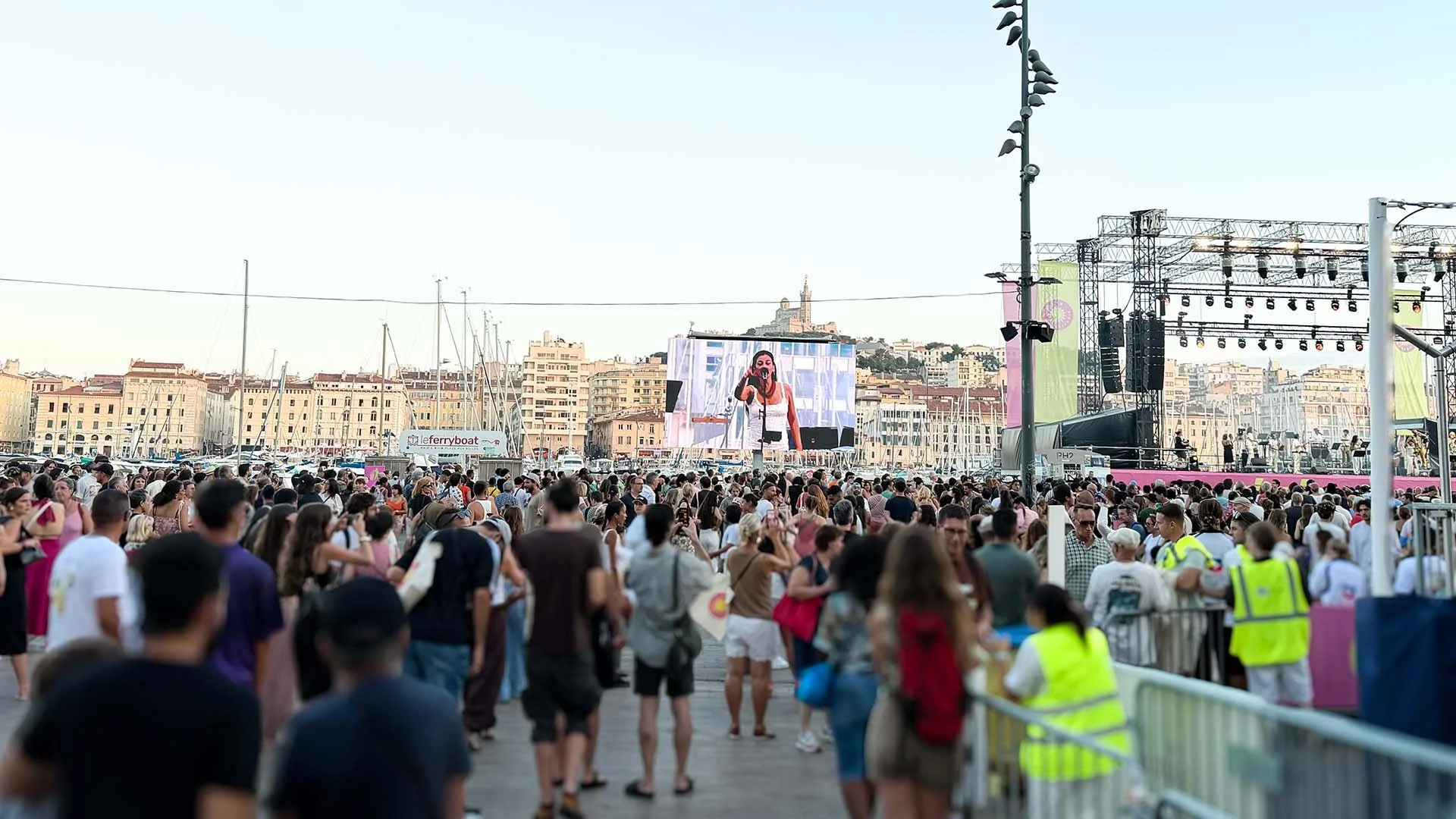
Let's deal with the elephant in the room first, because I know it's why you're here.
Yes, Marseille is safe for a day ashore. The city's rough reputation comes from organised crime in the northern housing estates — the 13th, 14th, 15th and 16th arrondissements — which are several kilometres from anywhere a visitor has reason to go. The Marseille you'll see as a cruise passenger is the Vieux-Port, Le Panier, La Major and the hills up to Notre-Dame de la Garde. Those areas are busy, heavily policed, full of families and locals going about their day, and they're at their liveliest in exactly the daylight hours you'll be ashore.
The real risk to you isn't dramatic. It's pickpocketing in crowds — the same thing you'd guard against in Barcelona, Rome or central London. Zipped bag, phone out of the back pocket, and you're fine. I’ve written an honest guide to France’s oldest city - Marseille, France if you want a deeper dive into the cities safety and why we think you will absolutely love it.
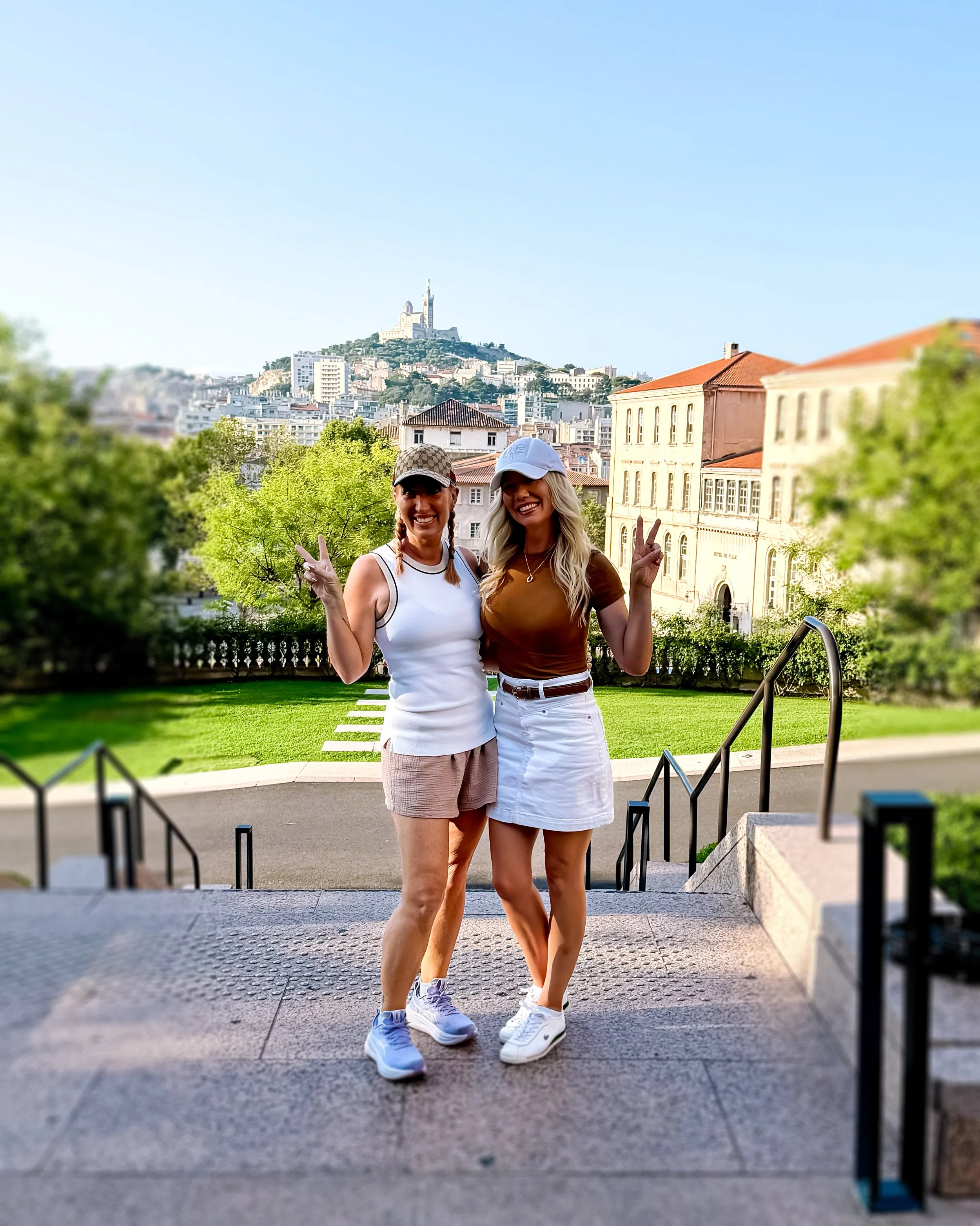
I'm Tammie. I've travelled to Europe more than 48 times and I run small private day tours for cruise guests in Marseille. I want to tell you what a day here can actually look like, because I think this is one of the most misunderstood cities in France.
Is Marseille Worth Visiting?
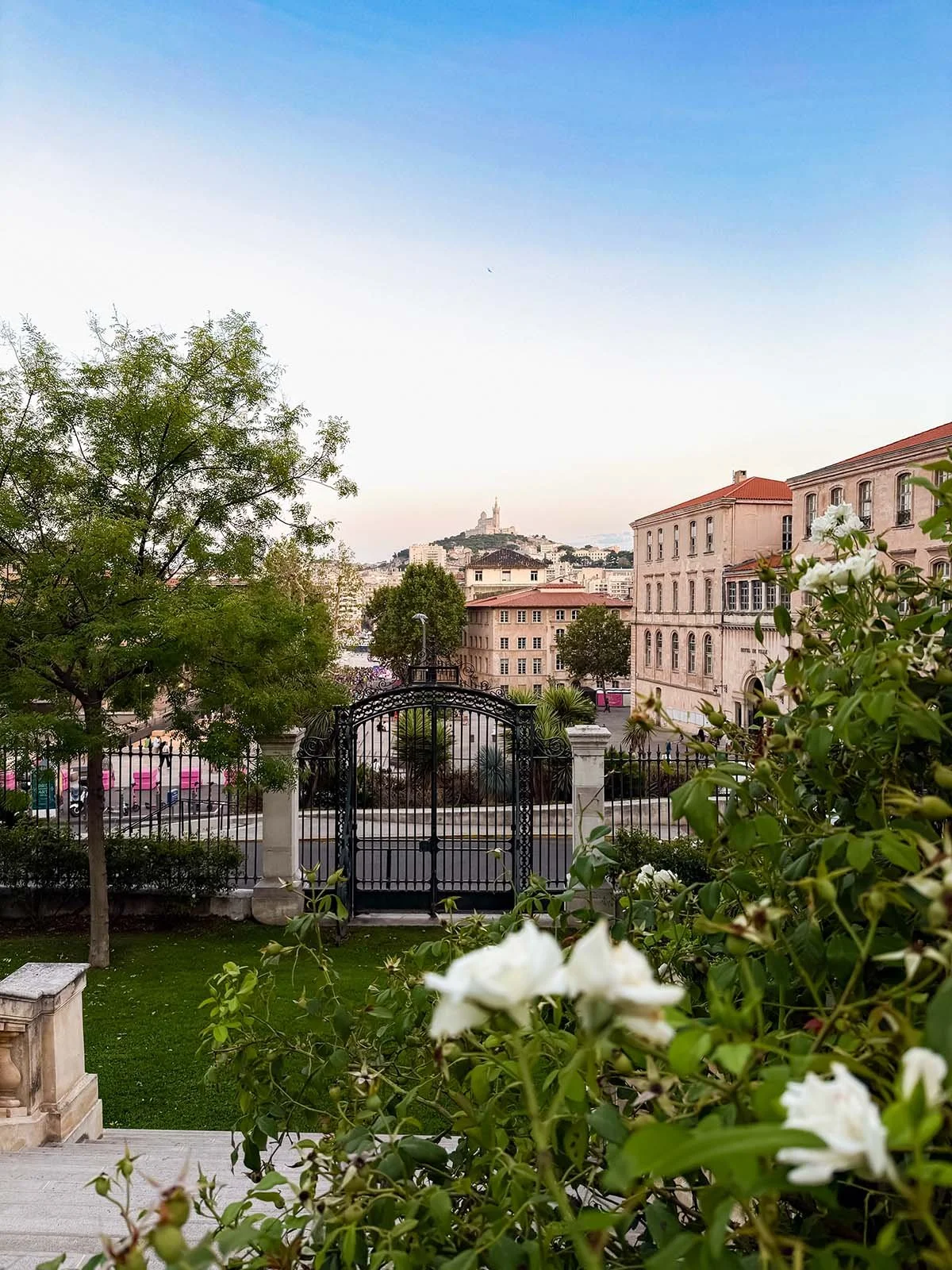
Completely — and I'd argue it's more interesting than a lot of the prettier, tidier towns further along the coast.
Marseille is France's oldest city. Greek sailors founded it around 600 BC, and 2,600 years of trade have left it noisier, more multicultural and more alive than anywhere else on this coastline. It isn't manicured. Fishermen still sell their catch on the quay in the mornings. The bakeries are outstanding. The light coming off the water in the late afternoon is something I've never quite managed to photograph properly.
If you want polished, Cannes is down the road. If you want a city with a pulse, you're in the right port.
Pro Tip
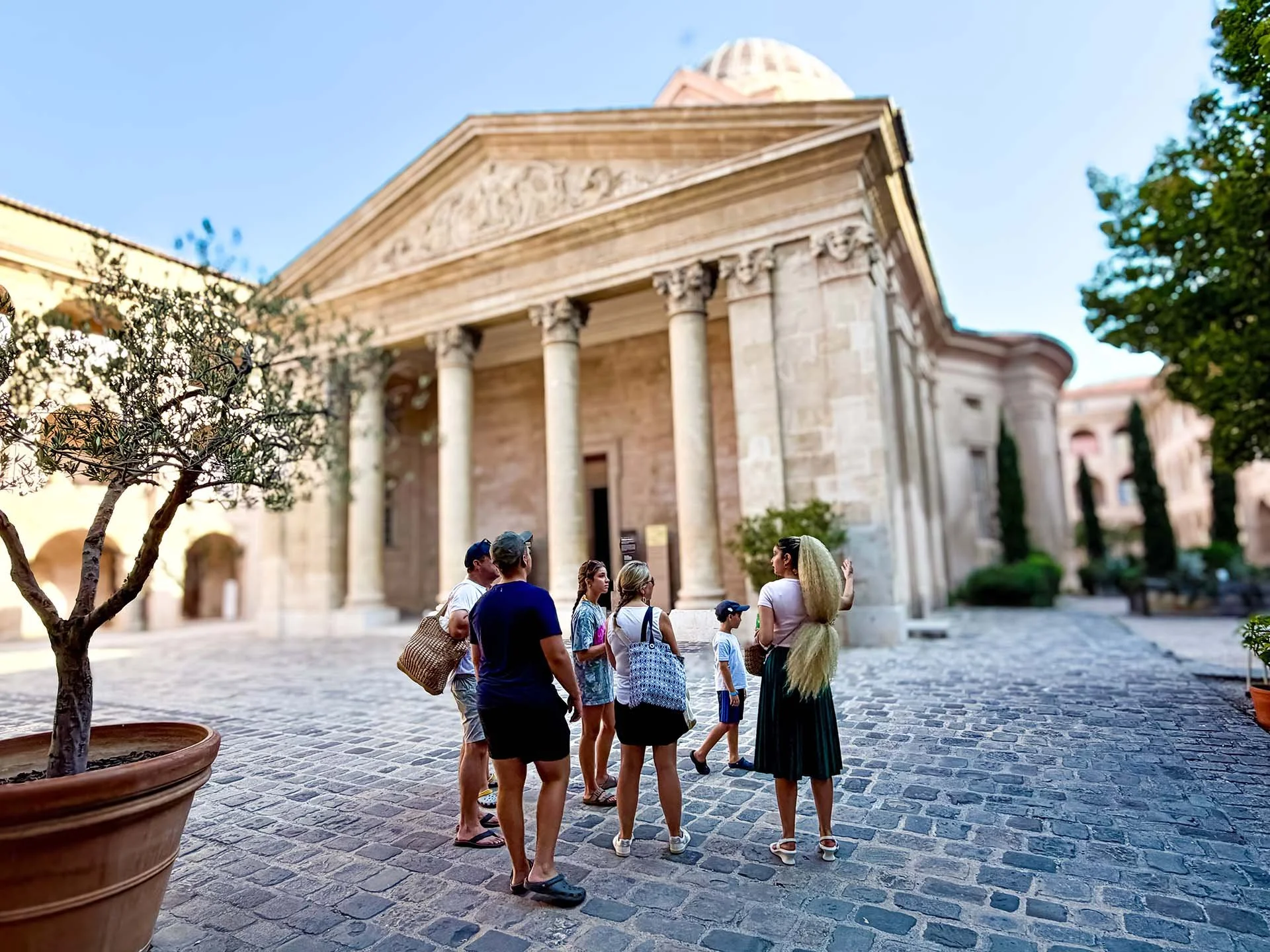
Marseille rewards a guide more than almost anywhere else in France. Not because you'd come to harm wandering alone, but because the good parts aren't obvious. The difference between a brilliant day and a frustrating one is knowing which lane to turn down.
What's Actually Realistic in a Day Ashore?
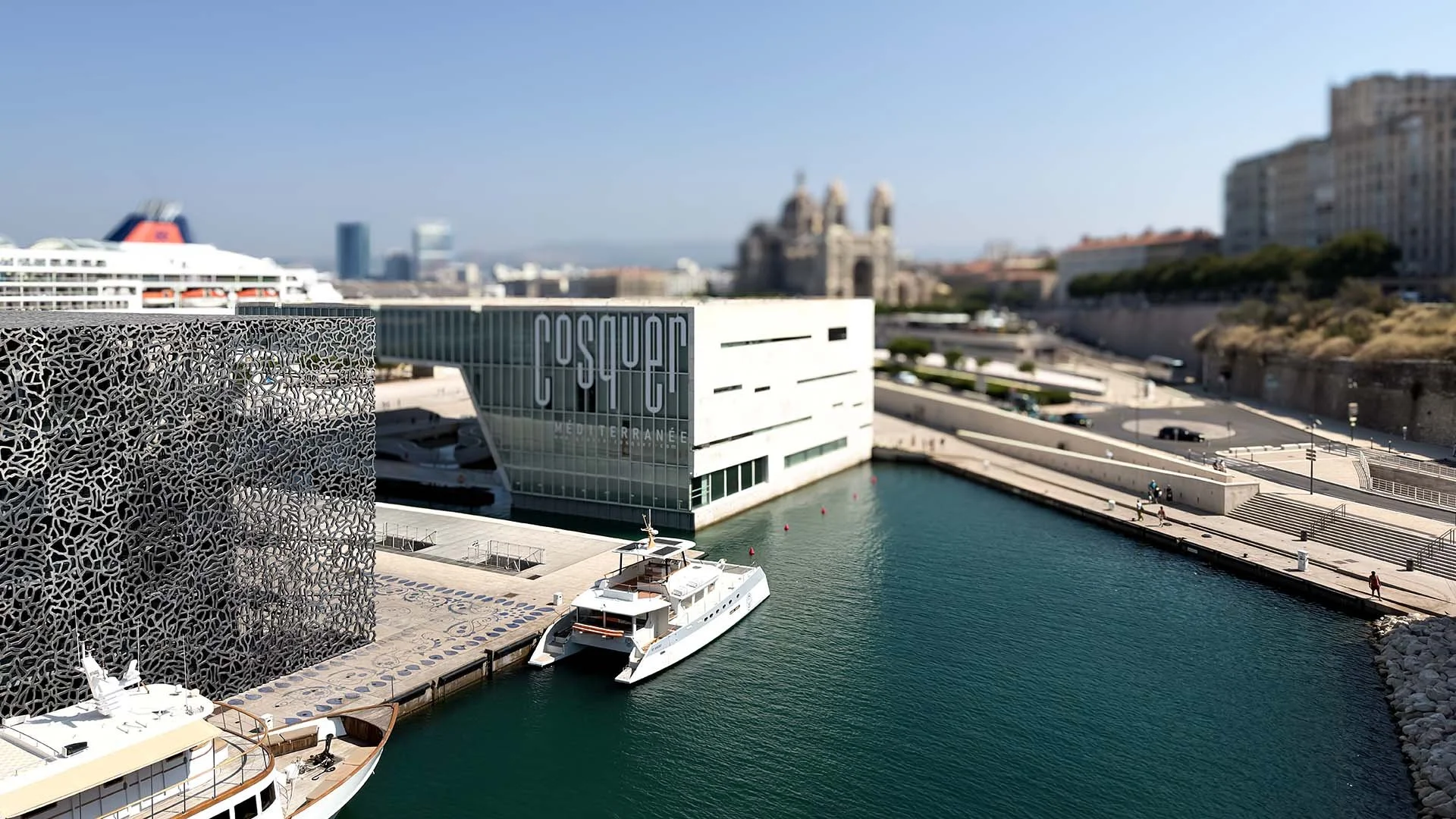
Here's the thing most people don't realise until they're standing on the quay: Marseille's cruise terminal is a working industrial port, and it's a long way from the old town. You cannot stroll off the ship into the Vieux-Port. It's roughly 20–25 minutes by road, through container yards and freight terminals.
That single fact shapes your whole day. Every minute you spend solving transport is a minute you're not spending in Provence.
With between 4 hours ashore: the city only. The Vieux-Port, a wander through Le Panier, and coffee somewhere with a view. Don't try to add anything.
With around 6 hours: the city in the morning, plus either Notre-Dame de la Garde or a short coastal run. Still tight.
With 8–10 hours: this is where Provence opens up properly. Cassis and the Calanques. Aix-en-Provence and the lavender fields in season. The Bandol wine region. This is the day worth planning for.
Insider Tip
Check your ship's "all aboard" time, not the departure time — they're usually 30 to 60 minutes apart, and the gap is what stresses people out. We build every itinerary backwards from all-aboard with a buffer, so nobody spends the afternoon watching the clock.
The Marseille We Show People
Our mornings almost always start the same way, on foot, in the old city.
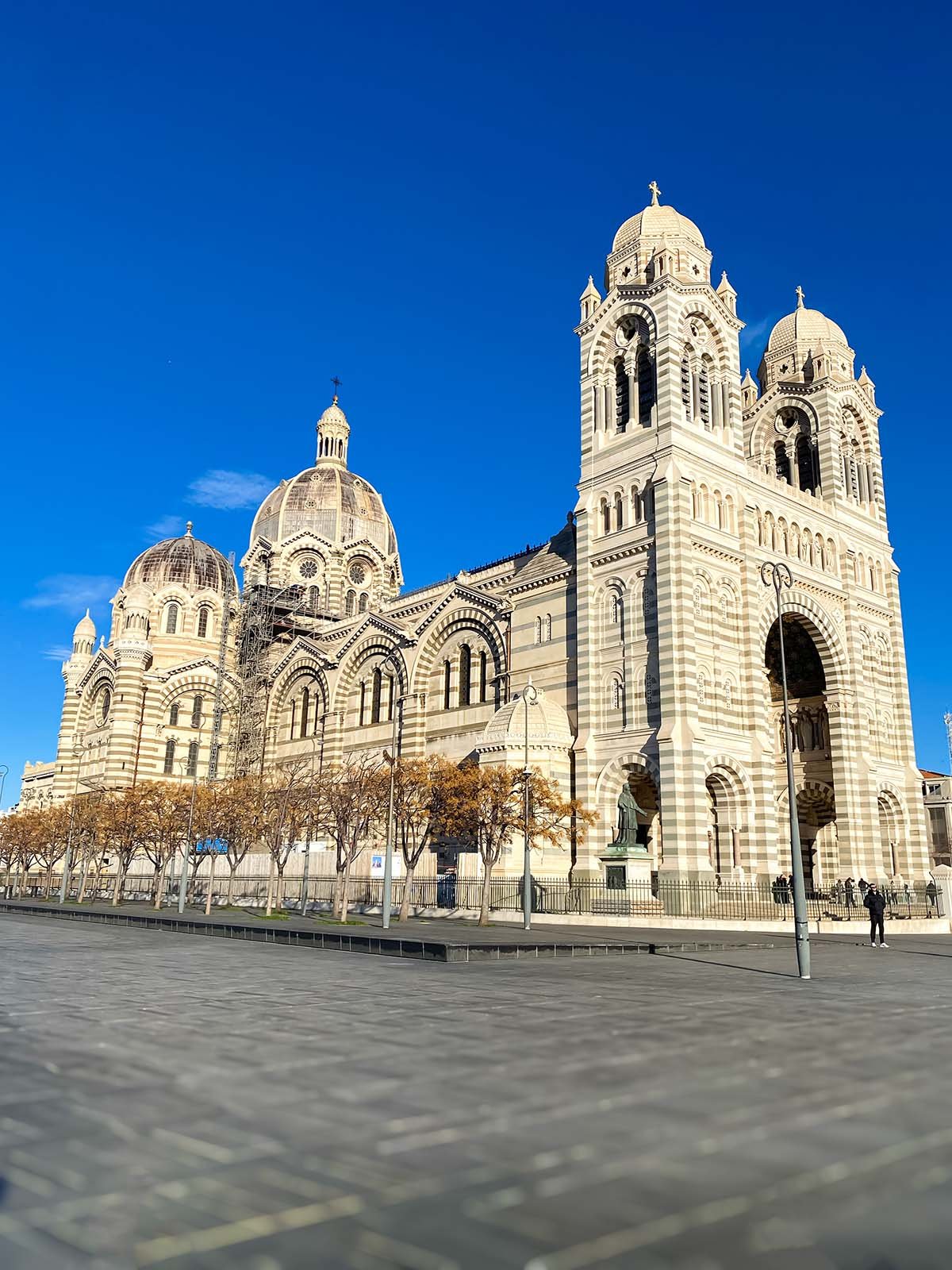
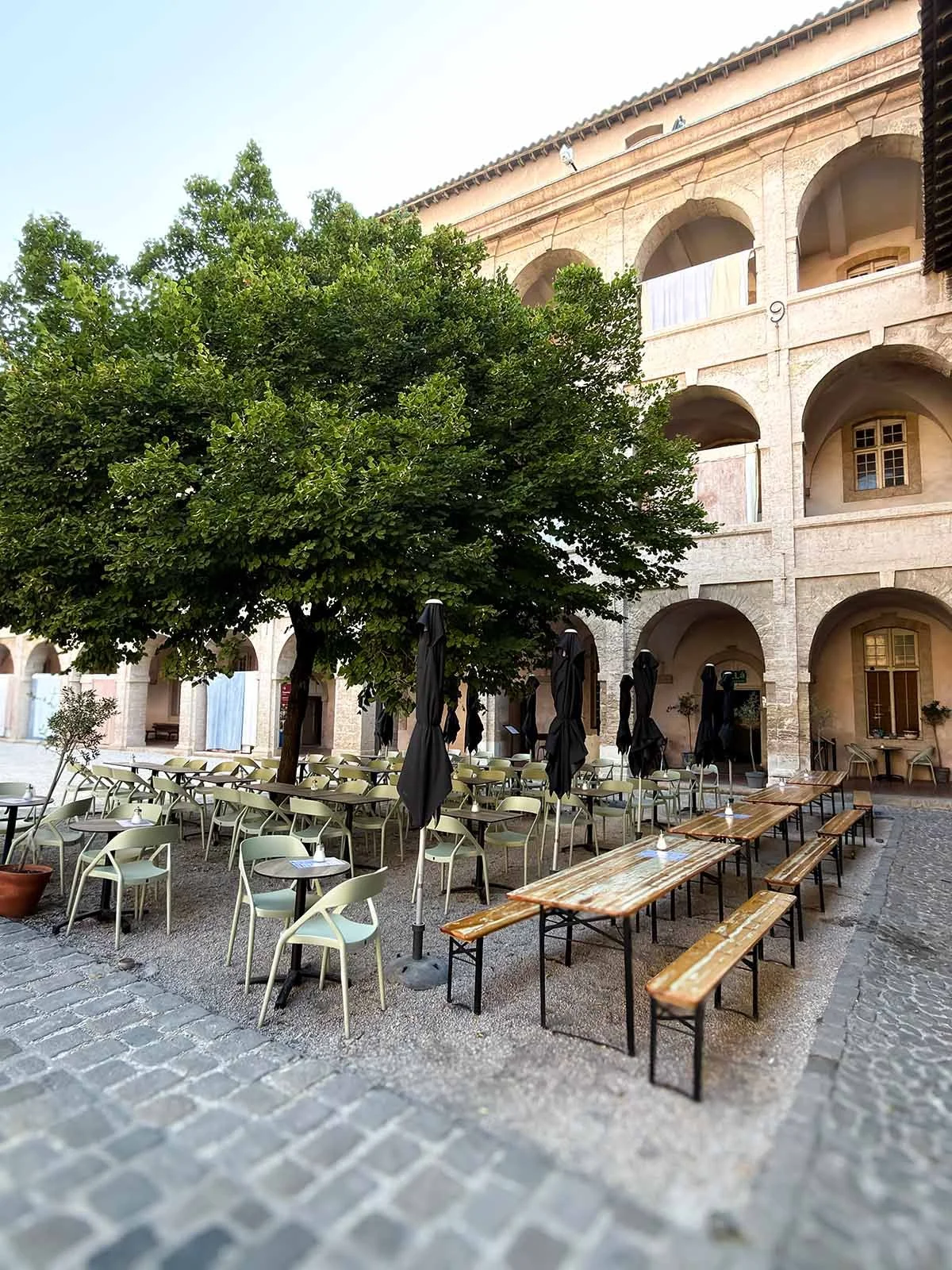
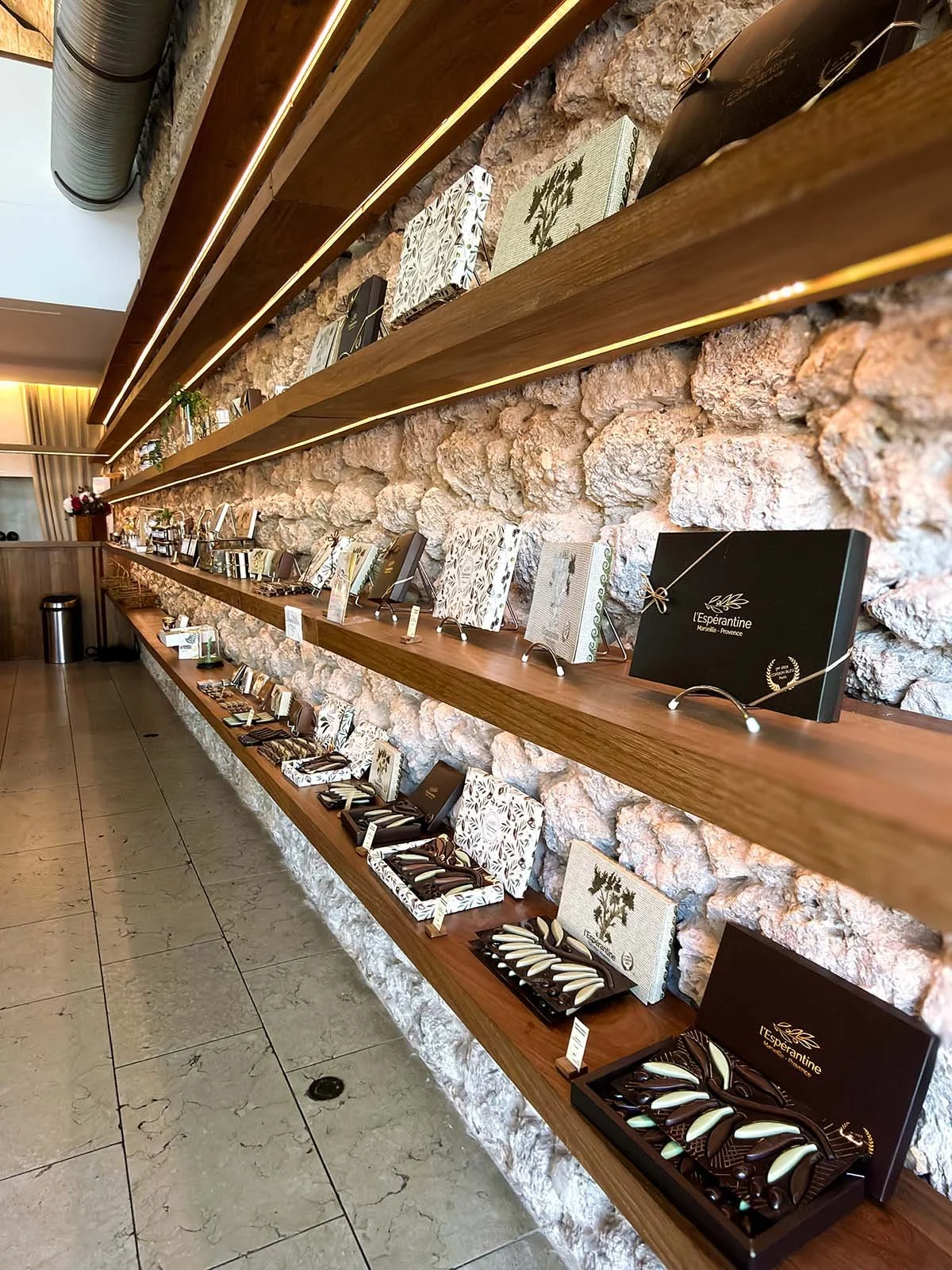
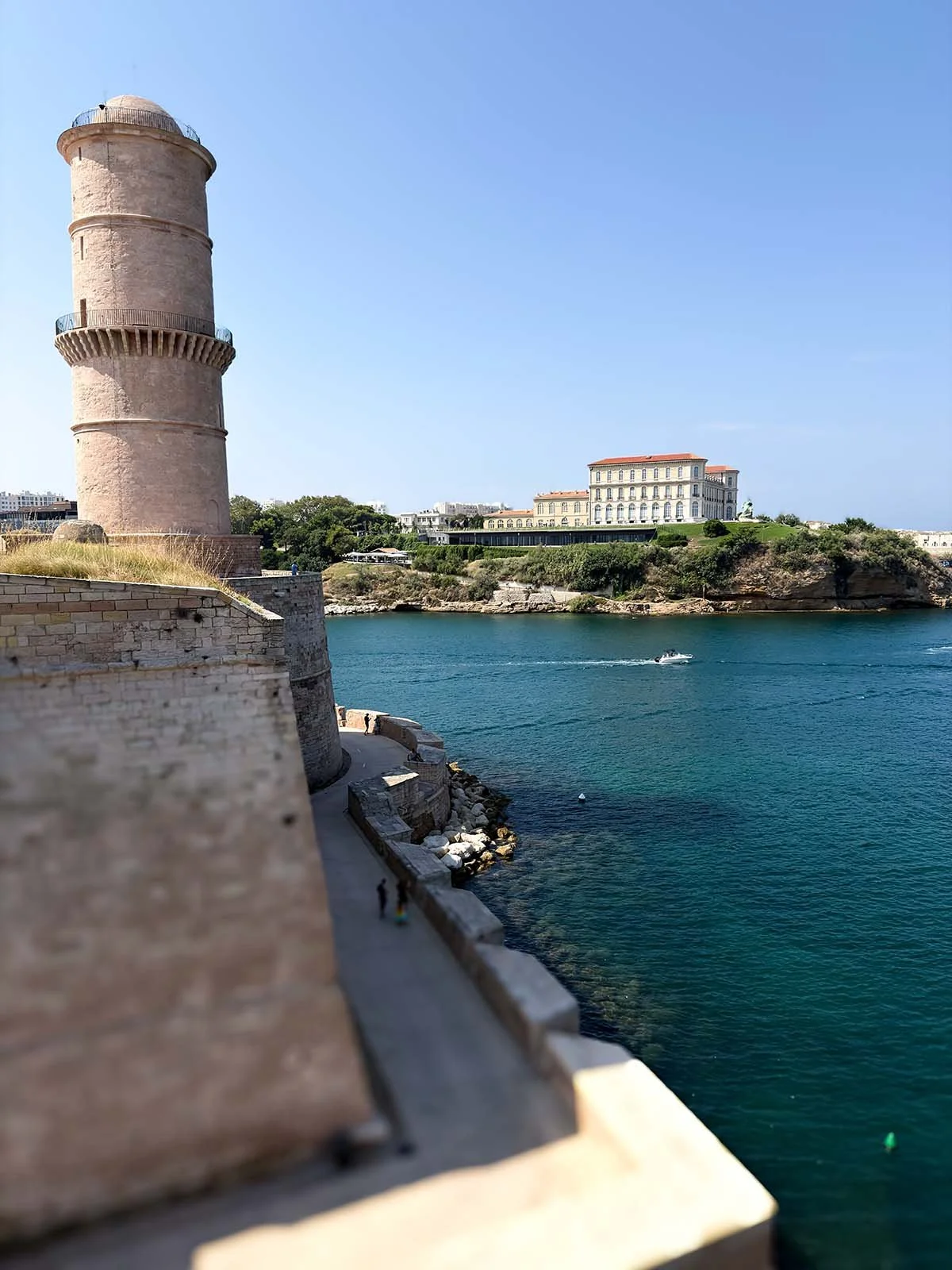
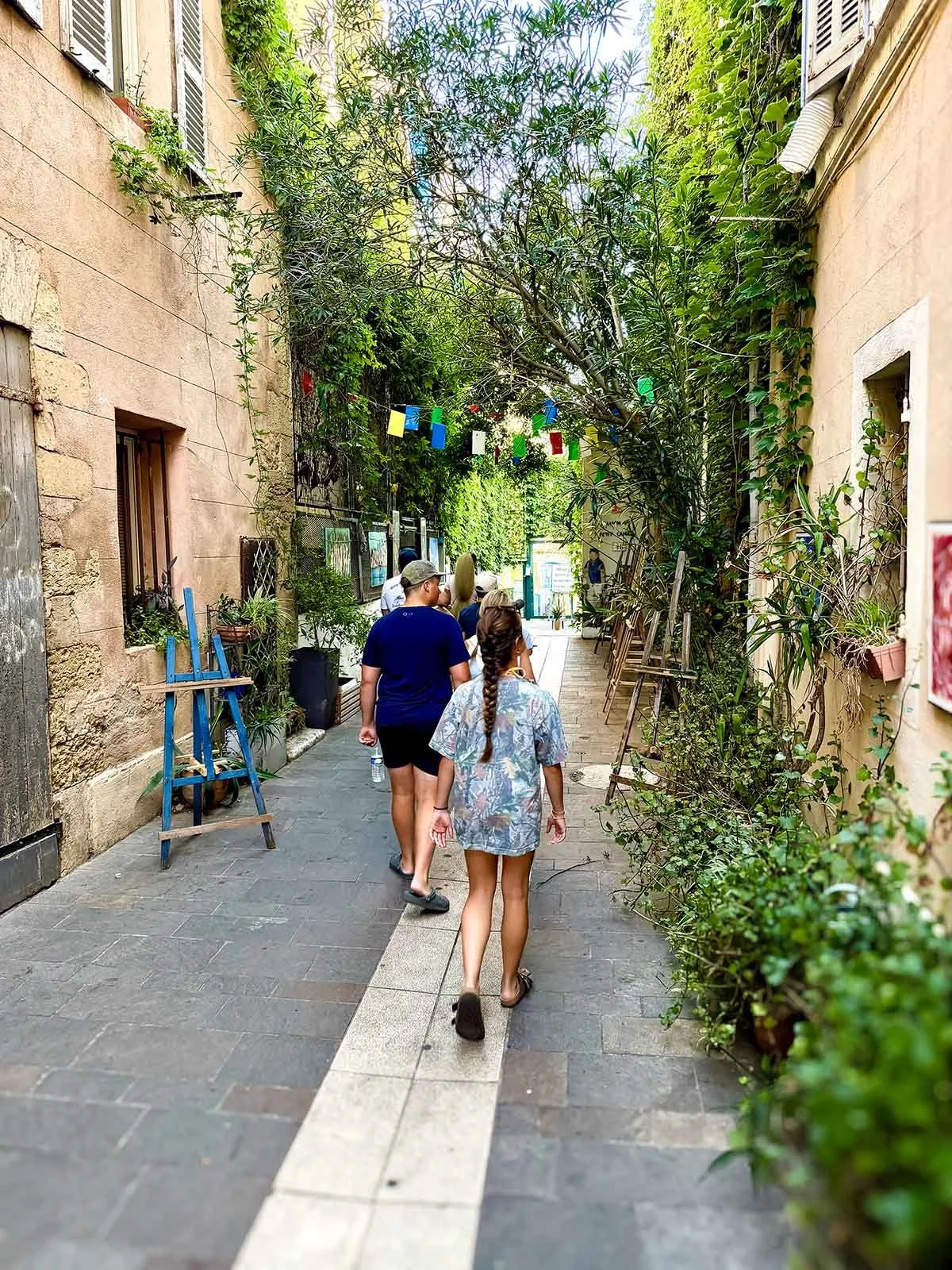
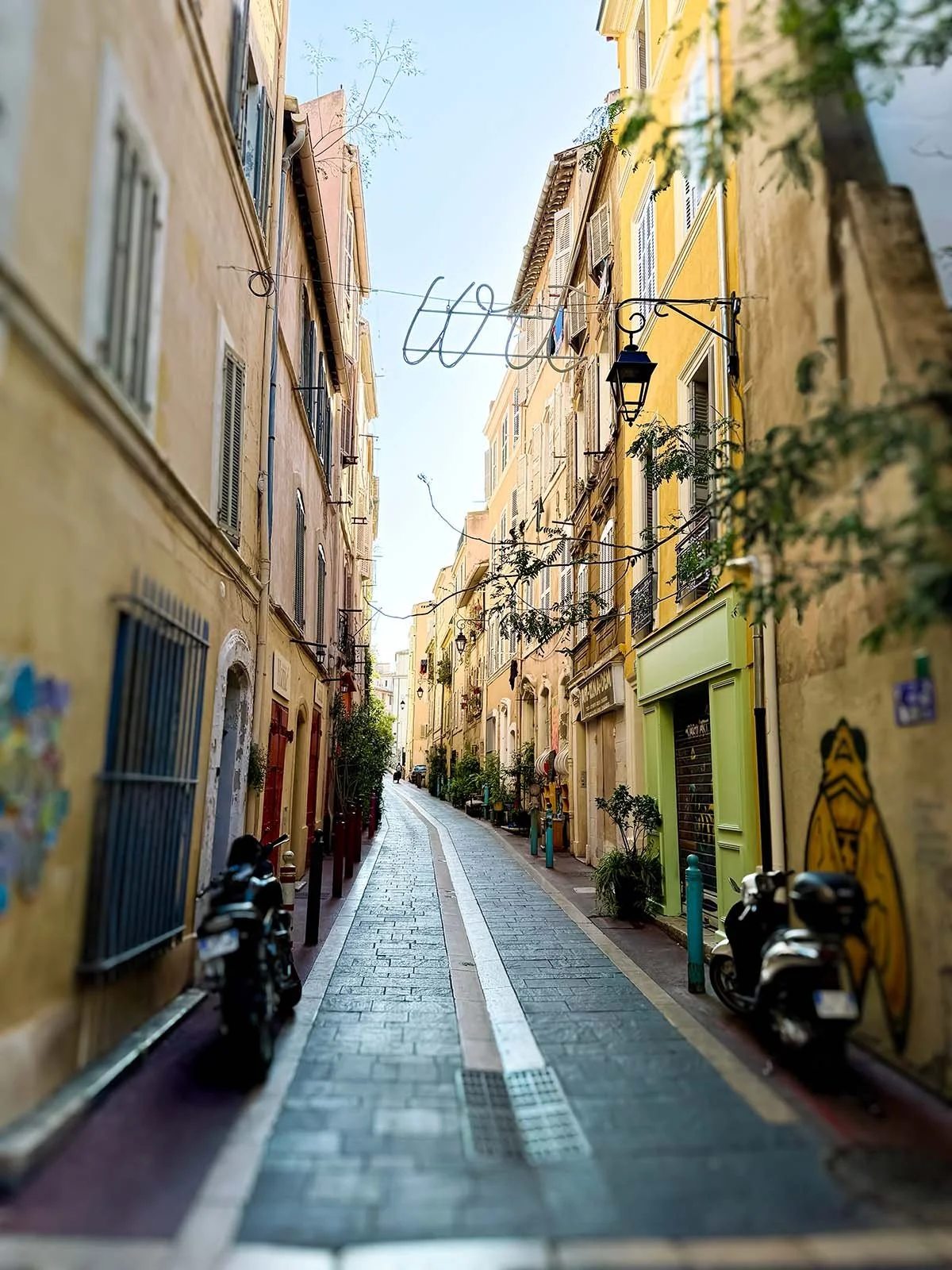
The Vieux-Port is the heart of it — 2,600 years of harbour, fishing boats moored alongside the cafés, the fish market in the morning. Le Panier is the oldest quarter, just up the hill: narrow lanes, washing on the balconies, street art around unexpected corners, artisan shops that have been in the same family for generations. La Vieille Charité is a seventeenth-century almshouse turned cultural centre that most visitors walk straight past, and it's one of the most beautiful buildings in the city. Cathédrale La Major sits where the old city meets the new, all striped Byzantine stone.
We stop for coffee. We stop for whatever's just come out of the oven. We tell you the stories behind what you're looking at. That's the morning.
Then the Afternoon Is Yours
This is the part I love, because it's where a private day stops resembling a shore excursion and starts resembling a holiday.
Cassis and the Calanques by sea. A private boat along the limestone cliffs of the Calanques National Park — sheer white rock, water in a blue you won't believe until you see it, hidden coves. Then lunch in Cassis harbour and a wine tasting at a local vineyard.
Villages and wine. Cassis, then the medieval hilltop village of Le Castellet, then the Bandol region for a guided tasting of some of the best rosé in France.
Aix-en-Provence and the fields. The elegant streets and fountains of Aix, then out into the countryside for lavender (June–July) or sunflowers (July–August), and a long lunch at a winery.
Catamaran through the Calanques. Swim stops in clear water, lunch on board, wine poured as you sail.
Or something else entirely. Genuinely — if none of these is quite right, we design the day around what you actually want.
Fun Fact
The Calanques are a protected national park, and the most popular hiking trails now require advance online reservation in peak summer. By boat, there's no such restriction — which is one reason we usually go by water.
What "Private and Personalised" Actually Means
I want to be specific here, because every operator says "personalised" and most of them mean a fixed route with a lunch stop.
You get two guides for the whole day — a local guide who speaks French and knows the city from the inside, plus an international guide from my team who speaks your language and looks after the practical side. You get a private vehicle(or boat) for the entire day, door to door from the quayside. All meals, wines and drinks are included. All reservations, logistics and entrance fees are handled.
And you get a guaranteed return to your ship with time to spare. That one isn't a selling point so much as the whole foundation.
We don't rush. We don't work from a script. If you're enjoying somewhere, we stay longer. If the children have had enough of churches, we go to the water instead.
A Day That Turned Into a Birthday Party
A few weeks ago in early August we hosted an American family of six — two parents and four children — for their day ashore.
It happened to be my birthday, and five of us from the TJ Travels team, which included Australian local Natalija from www.natalijalara.com travel content creator and guide, were nearby in Cassis to celebrate. So three of us ended up guiding that day instead of two. Three guides, six guests, and one of the most enjoyable days I've had all season.
That's not something I can promise every group, obviously. But it's a fair picture of how we work. Nobody was watching a clock or herding anyone. The children were properly looked after — which, when you're travelling with four of them in a foreign city, is the difference between a day out and a day off.
They made it back to the ship early, incidentally. With ice creams.
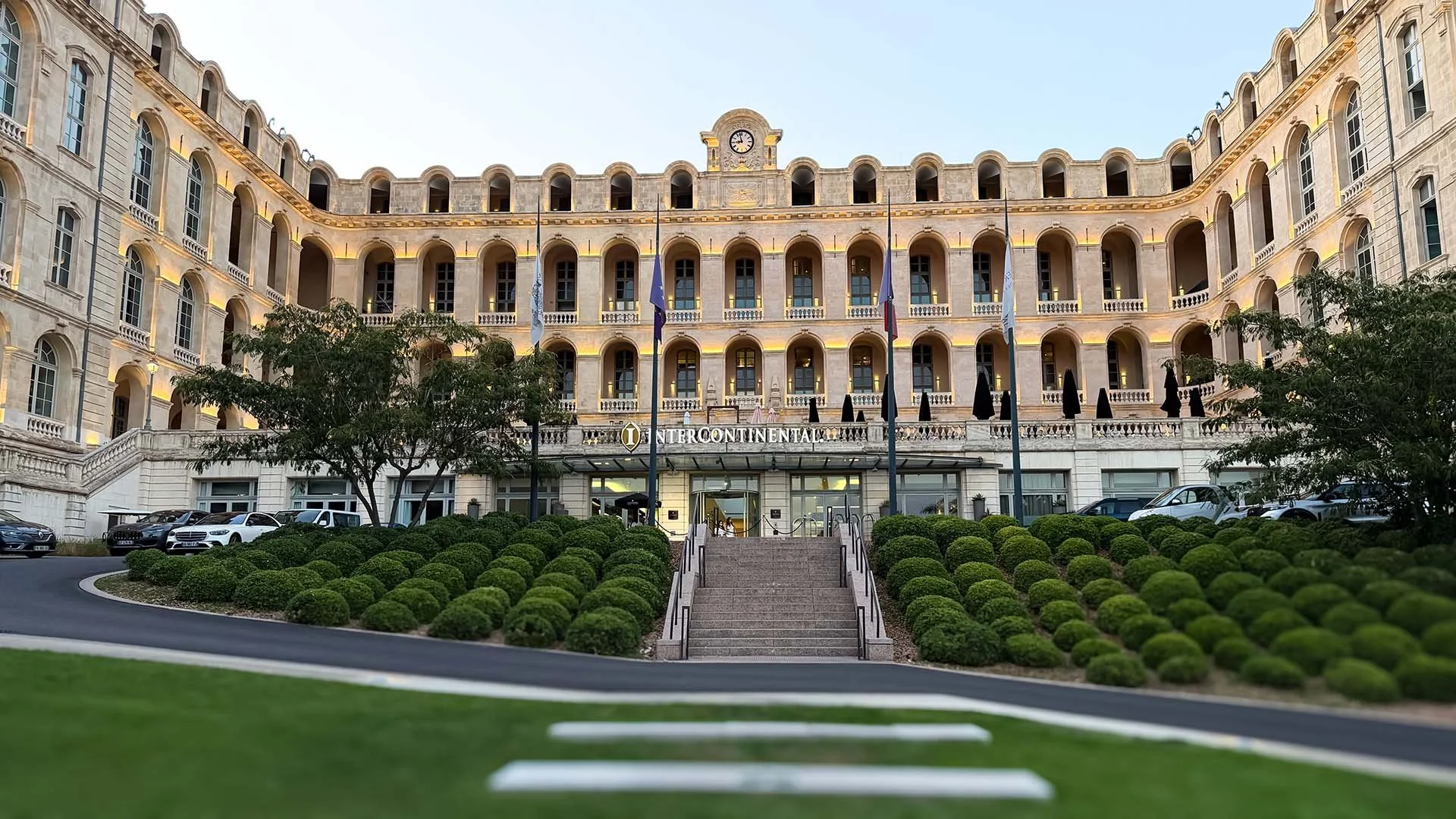
Practical Notes for Australian, American and British Travellers
Currency — euros. Cards are accepted almost everywhere, but small cash is handy for markets. If you're coming from Australia, tell your bank you're travelling; Australian cards get flagged in France more than most.
Language — English is widely spoken in tourist areas but far less so in Marseille than in Nice or Paris. This is one of the practical reasons we always include a French-speaking local guide.
Timing from Australia — most Australians reach a Mediterranean cruise via a long-haul flight into Europe first. If you're building a trip around a cruise, give yourself a couple of days on land before you board. Jet lag and a 7am gangway do not mix.
Weather — summer runs hot, often into the low-to-mid 30s, and the mistral wind can pick up sharply. Hat, water, and shoes you can walk cobbles in.
Tipping — service is included in France. Rounding up is normal; twenty percent is not expected.
Pro Tip
Book shore experiences well ahead. Marseille expects around 1.5 million cruise passengers between April and October, and the good private operators fill up months out. We're a small team and we take a limited number of groups.
Your Day in Provence
Marseille surprises people. They come ashore braced for something difficult and end up asking how soon they can come back. It's a city with genuine character, sitting at the doorstep of the most beautiful countryside in France, and one day is enough to fall for it — if you spend that day well.If you're arriving by ship, our Marseille shore experience takes care of every detail from the quayside and back again, with time to spare. And if this port turns out to be the one that stays with you, we spend four nights here at the start of the European Burlesque Tour — Marseille, Aix-en-Provence, Colmar and Paris over two weeks in August 2027.Much love,
TJ Travels xoxo
FAQ
Is Marseille safe for cruise passengers? Yes. Marseille's serious crime is concentrated in the northern districts, well away from anywhere visitors go. The tourist areas — the Vieux-Port, Le Panier, La Major and Notre-Dame de la Garde — are busy and policed, and you'll be ashore during the safest hours of the day. Pickpocketing in crowds is the realistic risk; ordinary city precautions handle it.
How far is the Marseille cruise terminal from the old town? Roughly 20–25 minutes by road. The terminal is part of a working commercial port, so walking isn't an option. Arrange transport before you dock.
Can I visit Cassis and the Calanques on a day ashore? Yes, with eight or more hours in port. It's the single best use of a longer day here. With less time, stay in the city.
Do I need to speak French? No. Our tours include a French-speaking local guide alongside an international guide who speaks your language.
Is Marseille good for families with children? Very. The boat trips, the beaches and the harbour are all easy wins with children, and a private tour means the day flexes around them rather than the other way round.
How far ahead should I book? As early as you can. Marseille is a busy cruise port, our groups are capped at eight, and dates go quickly in summer.
Is Marseille on your bucket list? I would love to hear your comments below + follow my journey on Instagram & don’t be shy to say hello!